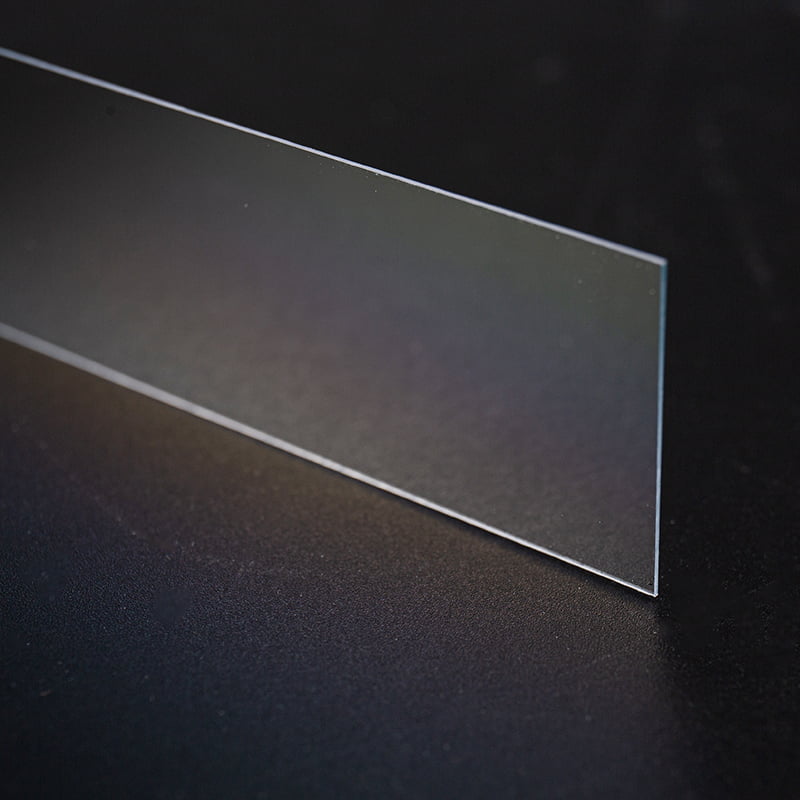
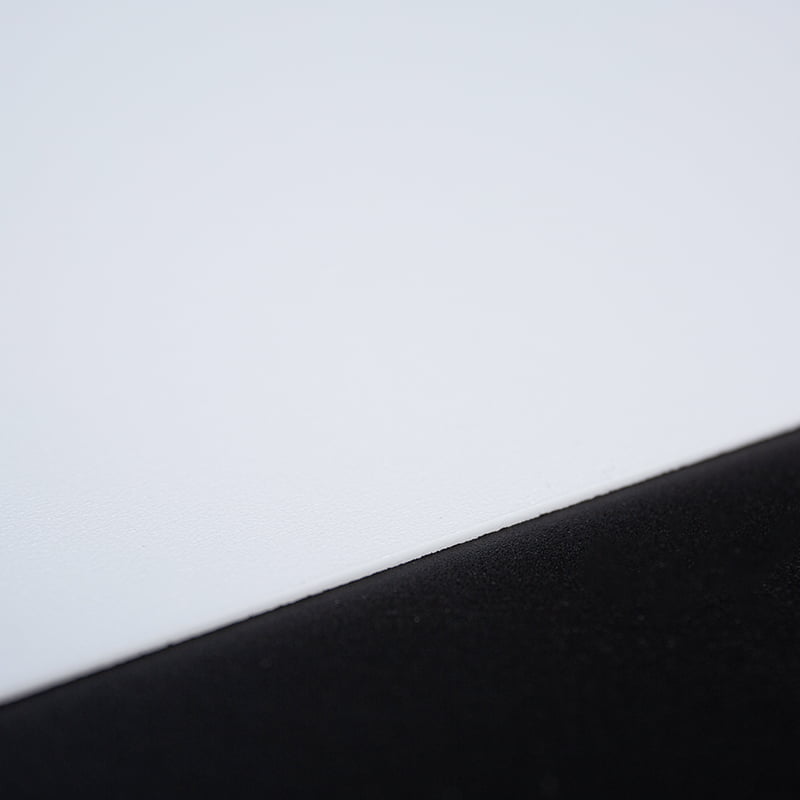
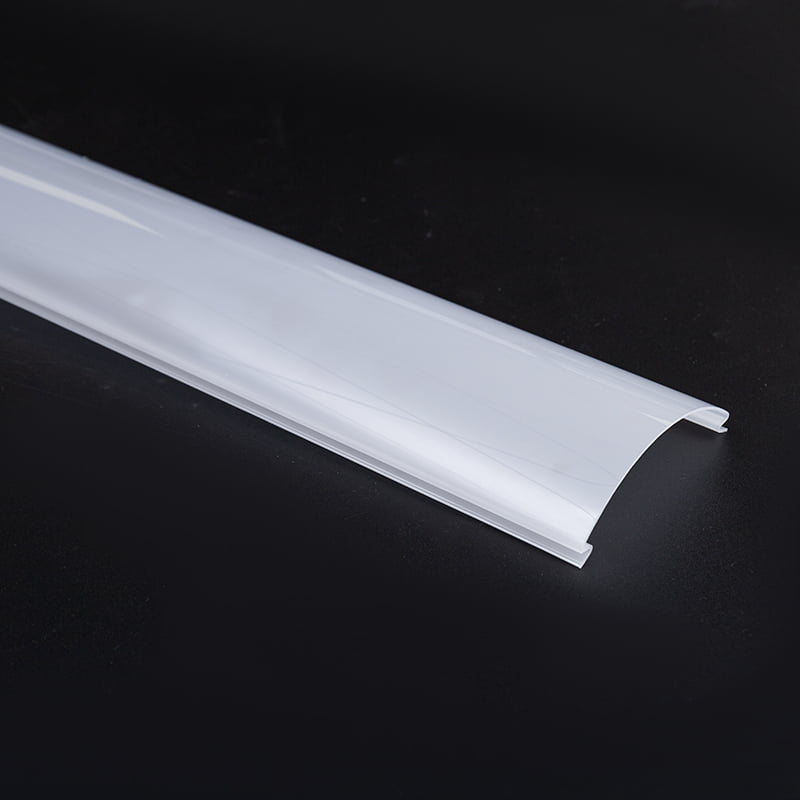
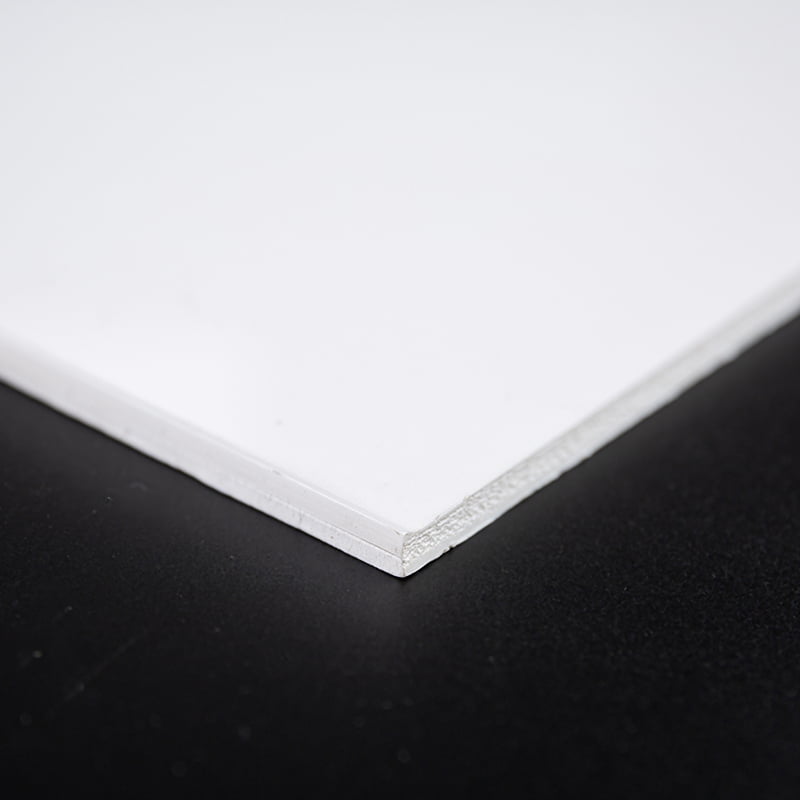
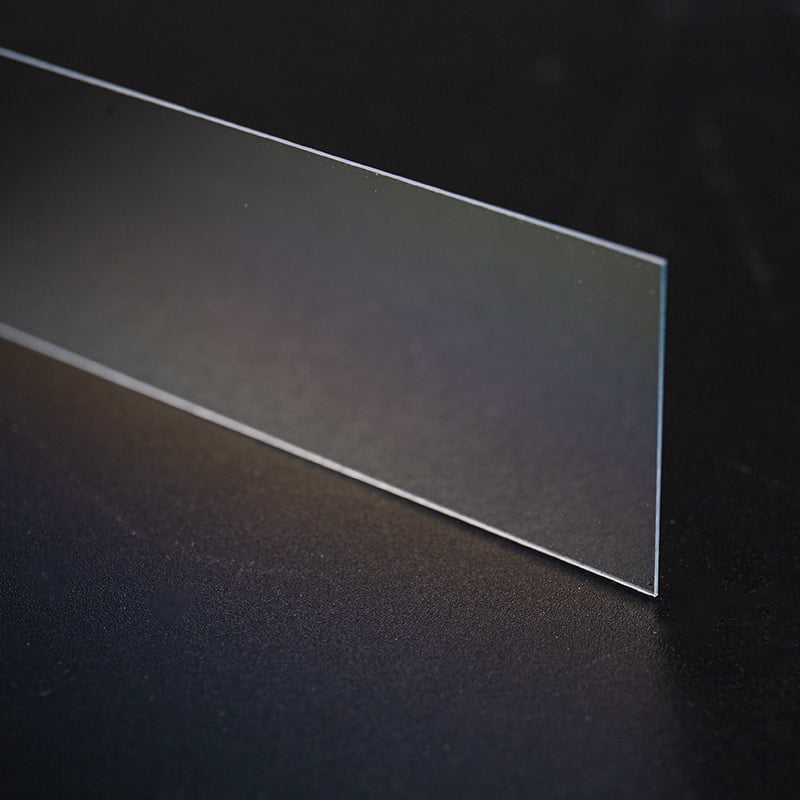
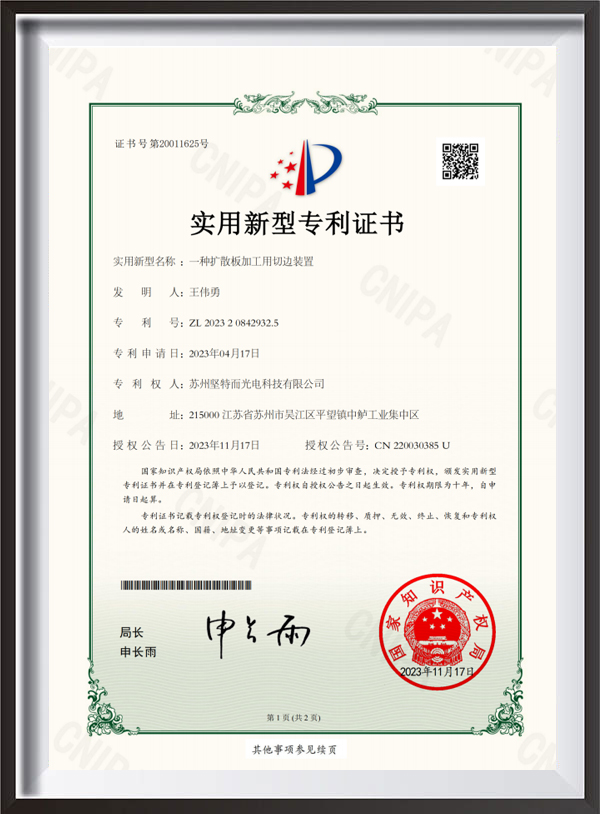
Suzhou Gentle Photoelectric Technology Co., Ltd. is a China-based manufacturer of advanced optical plastic materials and finished lighting products. We extrude PS, PMMA, PC, PP and ABS sheet on our own lines, form vacuum-formed components, and assemble complete lamp series for display, lighting, appliance, automotive and medical equipment projects.
Our Products range covers seven supplied categories, from optical diffusion and light guide sheets to fully built luminaires. We develop the material formulation, surface microstructure and finished format as one package, so the sheet, the forming process and the fixture interface are matched before production starts.
Our Product Range and Where Each Category Fits
Each category below is a supplied product family with its own material logic, processing route and application fit. We produce them in-house and support custom development from pilot trial to volume delivery.
| Product Category |
Base Material |
Typical Application Fit |
Key Specification Points |
| PS Sheet Series |
GPPS / HIPS |
LED panel lights, downlights, backlight modules, decorative surfaces, blow-molded parts |
Transmittance 88–92%, haze, thickness, flame retardancy, surface texture |
| PMMA Sheet Series |
PMMA |
Display backlights, automotive lighting, medical optics, signage, branded luminaires |
Light transmittance 92%, dot pattern, thickness 1–5 mm, surface hardness, UV stability |
| PC Sheet Series |
Polycarbonate |
Architectural glazing, transit lighting, industrial enclosures, high-impact fixtures |
Impact resistance, UL 94 V-0, UV cap layer, service temperature -40°C to 120°C |
| PP Sheet Series |
Polypropylene |
Cost-sensitive indoor fixtures, bath lights, chemical-resistant panels |
Density, diffusion level, flexibility, ultrasonic bondability |
| ABS Sheet Series |
ABS terpolymer |
Equipment panels, housings, appliance components, decorative trim |
Rigidity, gloss, color consistency, impact strength, formability |
| Vacuum forming products |
PVC, PET, PP, PS, ABS |
Blister packaging, trays, covers, enclosures, food-safe and recyclable formats |
Draw ratio, wall thickness distribution, material grade, food-contact compliance |
| Complete Lamp Series |
Assembled luminaires |
Industrial, cleanroom, commercial and protective lighting |
Luminous efficacy, IP rating, driver compatibility, mounting interface, compliance |
Material Selection and Application Fit
Substrate choice determines optical performance, durability and processing route. We help customers match the polymer to the fixture geometry, light source and operating environment.
- PS offers 88–92% light transmittance, high gloss and low water absorption. It is the cost-effective choice for indoor LED panel lights, backlight modules and decorative surfaces where UV exposure is limited.
- PMMA delivers 92% transmittance with intrinsic UV stability and excellent surface hardness. It suits display backlights, signage and luminaires where clarity and long-term color stability matter.
- PC provides impact resistance, a -40°C to 120°C service range and UL 94 V-0 capability. It fits transit, industrial and outdoor fixtures that must resist breakage and heat.
- PP is the lowest-density, lowest-cost option with good chemical resistance. It works in bath lights, short-lifecycle indoor fixtures and applications where ultrasonic bonding is used.
- ABS combines rigidity, toughness and a glossy finish. It is used for equipment panels, housings and appliance components that need color consistency and formability.
Optical Performance and Critical Specifications
We engineer the optical working point rather than selling a generic sheet. Haze, transmittance, thickness and surface structure are specified together because they interact in the finished fixture.
Haze and Transmittance
Diffusion-grade sheets typically run 85–98% haze. Higher haze improves uniformity but reduces transmitted lumens, so we match the diffusion level to fixture depth and LED pitch.
Thickness and Format
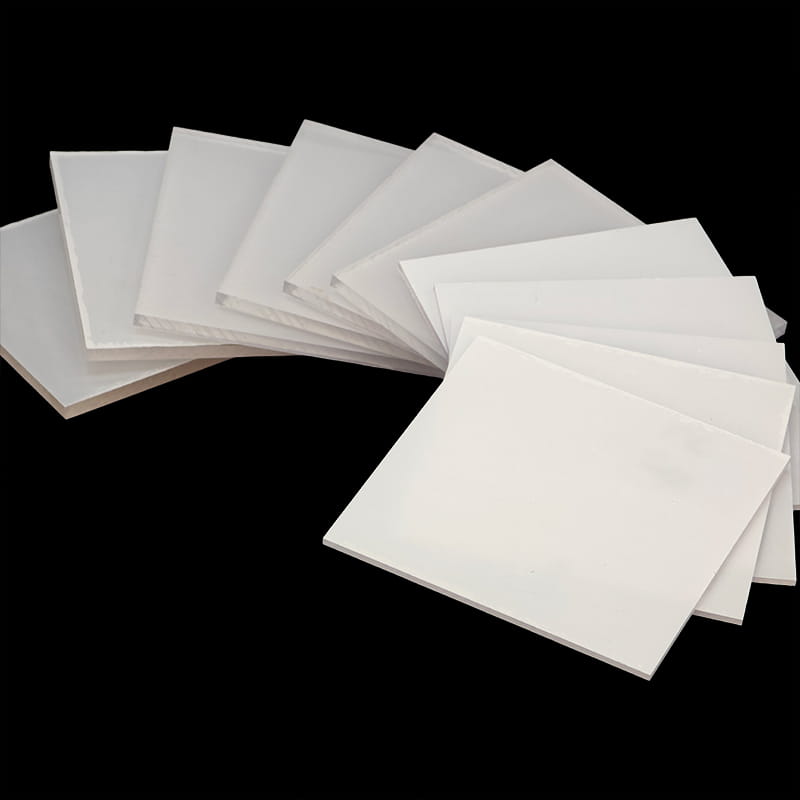
We supply roll stock or cut-to-size panels. Thickness tolerance, roll width and sheet dimensions are confirmed against the fixture assembly method.
Surface Structure
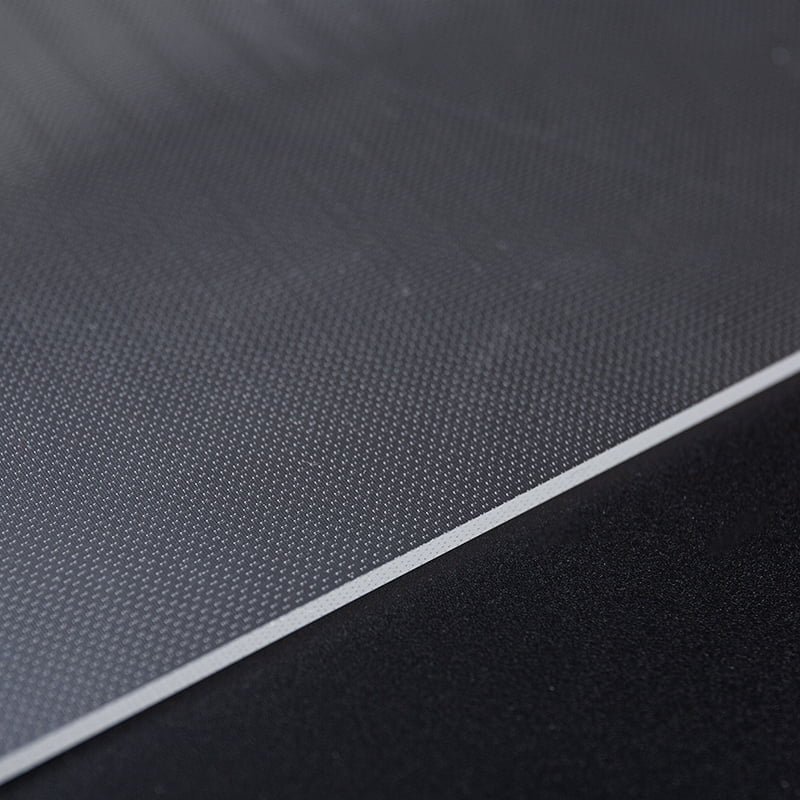
Prism, frosted, striped, laser-dotted and screen-printed surfaces are produced in-house to control angular distribution and LED dot concealment.
Manufacturing and Quality Control
Our Suzhou facility operates PS and PMMA extrusion lines, cutting, polishing, engraving, laser and printing equipment. A Zhongshan plant adds PS extrusion capacity. The process flow runs from sheet extrusion through inspection, cutting, polishing, laser or printing, protective film application and palletized shipment.
Quality control uses an in-house laboratory with constant temperature and humidity chambers, integrating spheres, haze meters, melt flow testers, impact testers, illuminance meters, roughness testers, optical testers, coordinate measuring machines and ball drop impact testers. We test dimensional accuracy, photoelectric performance, reliability, material composition and mechanical properties.
- Dimensional: 2.5D measurement, thickness analysis, surface layer measurement
- Photoelectric: illuminance, luminance, uniformity
- Reliability: high-low temperature cycling, aging, abrasion, scratch resistance
- Material: composition analysis, roughness, flame retardancy
- Mechanical: hardness, drop test
Custom Development and Integration Support
We support full-process customization from material formulation and micro-structured optical design through pilot trials to mass production. Our engineering team works from the customer's light source geometry, fixture depth and production target.
Typical development phases include optical simulation using the LED array pitch and intensity distribution, material formulation iteration with haze and transmittance measurement, pilot extrusion to confirm lab properties at line speed, and system-level verification in a mock-up fixture. We also provide material selection consulting, injection molding and coating process optimization, equipment operation training and on-site troubleshooting.
Information We Use to Configure Your Solution
To prepare a suitable configuration and quotation, we need the following project inputs. The more precisely these are defined, the faster we can confirm material, thickness, surface treatment and format.
| Input Area |
What We Need |
| Application |
Fixture type, light source, indoor or outdoor use, operating temperature |
| Optical target |
Required transmittance, haze, uniformity, LED dot concealment, glare control |
| Format |
Sheet or roll, dimensions, thickness and tolerance, edge finish |
| Surface and processing |
Frosted, prism, striped, laser-dotted, screen-printed or hardened surface |
| Compliance |
Flame rating, RoHS, food-contact or biocompatibility documentation if applicable |
| Volume and delivery |
Prototype quantity, annual volume, packaging and shipment requirements |
Installation, Maintenance and Serviceability
Optical sheets are supplied with protective film to prevent handling damage. We confirm film type and removal timing relative to assembly, because adhesive residue is a common cause of rejection. Panels are stacked on pallets for shipment and should be stored flat in a clean, dry area away from direct sunlight.
For installed luminaires and formed components, maintenance typically involves periodic cleaning with a soft cloth and mild detergent. Abrasion-resistant and hardened surfaces reduce scratch risk in touch-exposed applications. We provide spare parts and replacement sheet supply for ongoing production.
Frequently Asked Questions
What is the difference between PS, PMMA and PC diffusion sheets?
PS offers good clarity at lower cost for indoor fixtures. PMMA provides higher transmittance and intrinsic UV stability for displays and signage. PC delivers impact resistance and high-temperature performance for transit, industrial and outdoor applications. We recommend the substrate based on the fixture environment and optical target.
Can you produce custom haze and transmittance values?
Yes. We adjust scattering agent type and loading during formulation, then verify haze and transmittance on lab instruments before pilot extrusion. This allows us to target specific optical values rather than supplying a fixed grade.
Do you supply both sheet and finished lamp products?
We supply optical sheets, vacuum-formed components and complete lamp series. This means a customer can source the diffuser, light guide plate and finished luminaire from one manufacturer, with the optical stack matched to the fixture.
What documentation is available for compliance?
We can provide RoHS compliance certificates, UL 94 flame classification reports and material test data from our laboratory. Specific documentation is confirmed against the application and destination market requirements.
How do you handle prototype to mass production transition?
We run pilot extrusion trials to confirm that lab-scale optical properties are reproducible at full line speed. Once the process window is fixed, we hold the same parameters for volume production, which reduces variation between prototype and delivered batches.

 English
 Español