Gentle Gentle Gentle Gentle Gentle Gentle Gentle Gentle Gentle

Custom Vacuum Forming Plastic Products

Home / Products / Vacuum forming products

Vacuum Forming Plastic Sheet Supplier

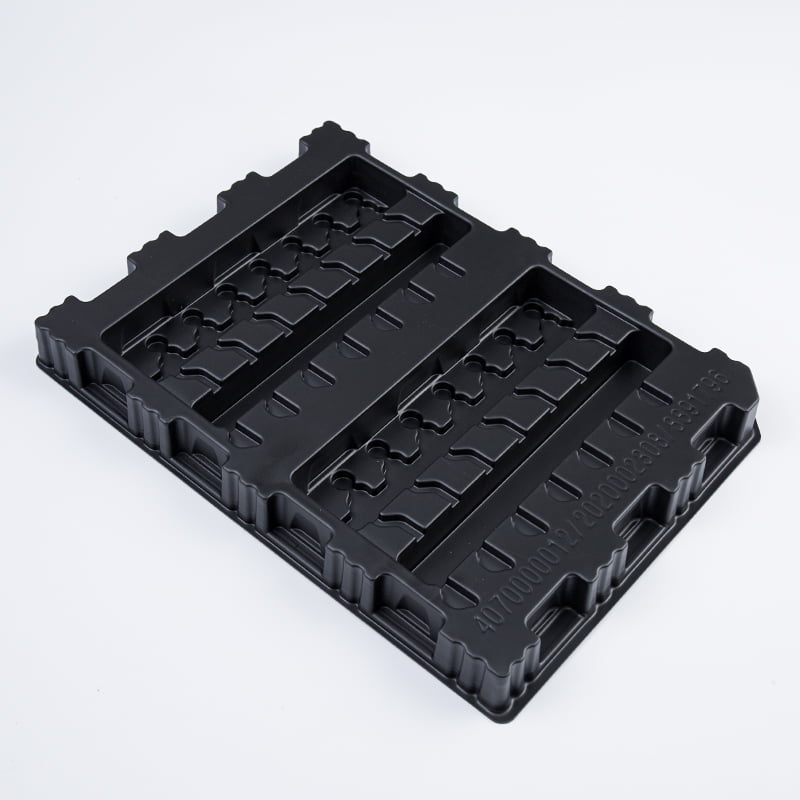
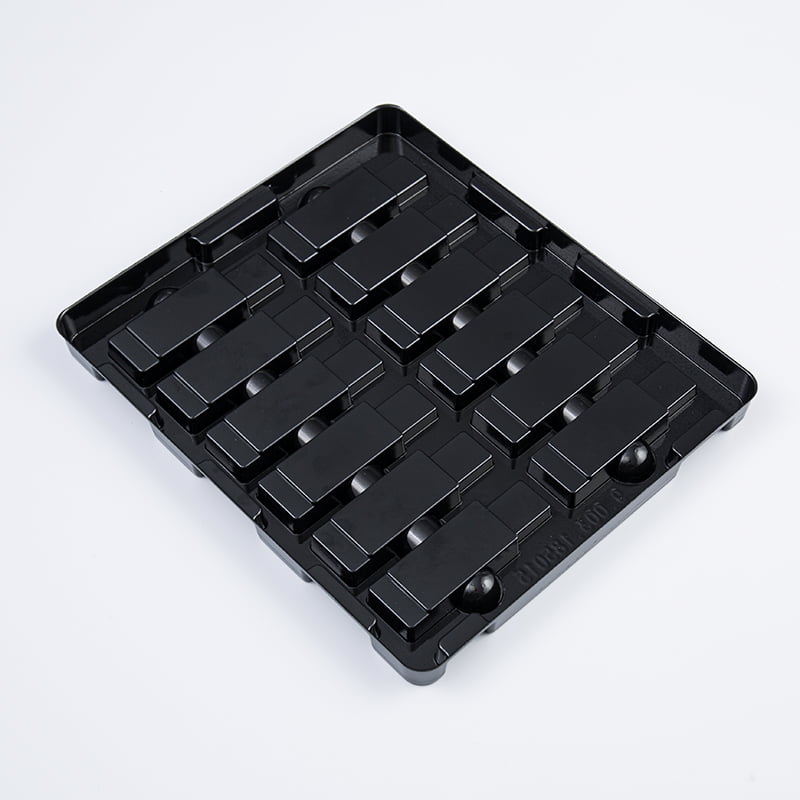
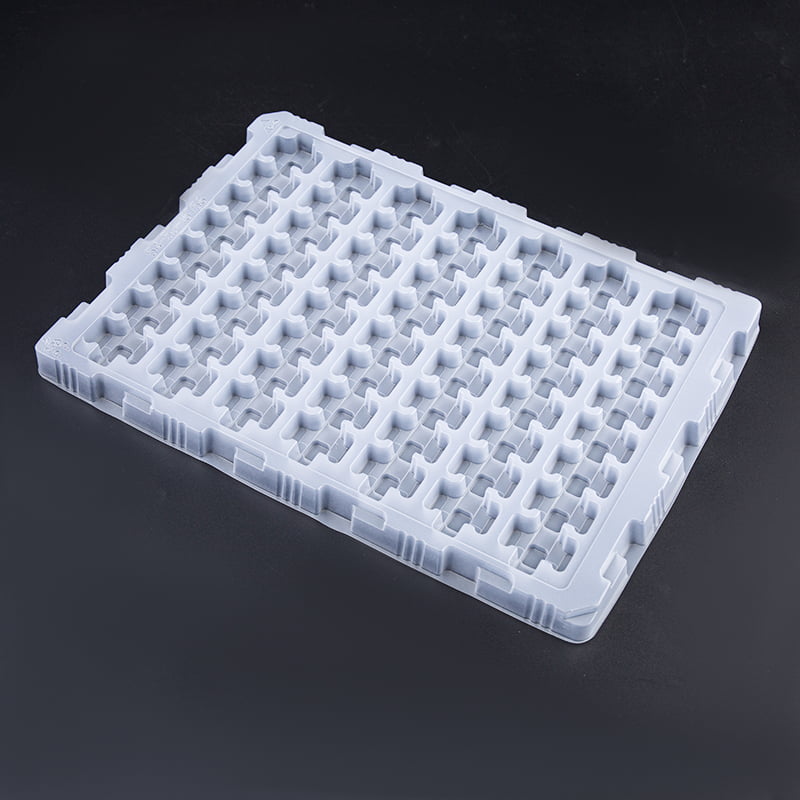
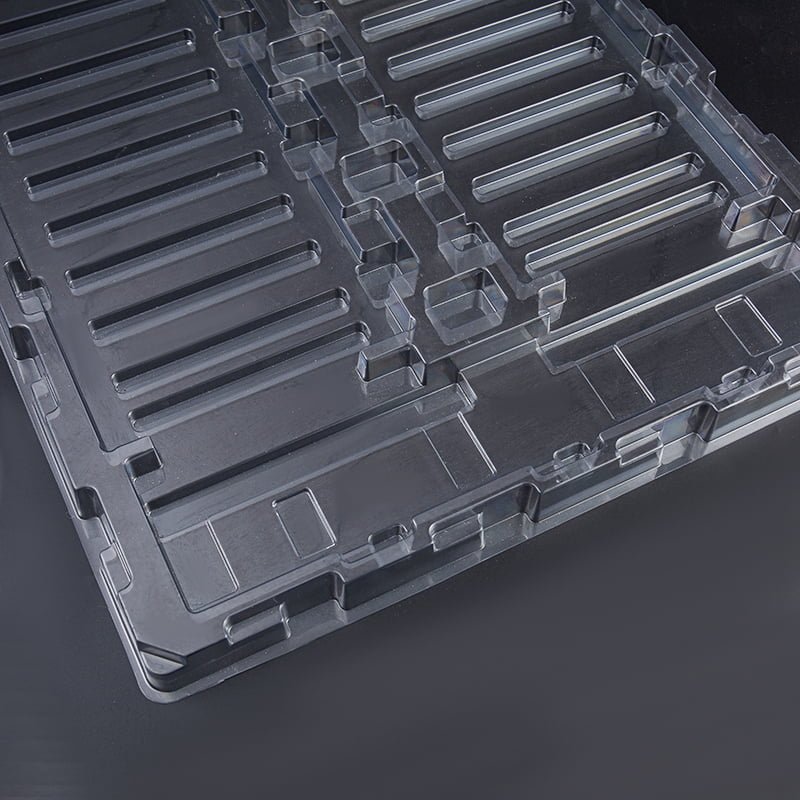
Blister packaging is a plastic encapsulation product manufactured using a vacuum forming process. It falls under the plastics processing industry, and its main raw materials include PVC, PET, PP, PS, and environmentally friendly materials such as flocking.

It is widely used in the electronics, food, and toy industries, and product types include blister packs, trays, and blister boxes.

The production process encompasses mold making, heating and softening, vacuum forming, and finishing steps. Commonly used molds include plaster molds, electroplated copper molds, and aluminum molds.

This packaging uses vacuum forming to conform to the product's contours, providing shock absorption, product protection, and enhanced display effects, making it suitable for supermarket shelf display needs.

About Us
Suzhou Gentle Photoelectric
Technology Co. Ltd.

Suzhou Gentle Photoelectric Technology Co., Ltd. is a high-tech enterprise specializing in the R&D, production, and sales of new optical materials. Vacuum Forming Plastic Sheet Suppliers and Vacuum Forming Plastic Sheet Company in China. We provide customized optical material solutions for industries including display, lighting, consumer electronics, automotive, and medical equipment. Custom Vacuum Forming Plastic Products. Leveraging our in-house R&D system and extensive project experience, we support full-process customized development — from material formulation design and micro-structured optical design, through pilot trials, to mass production.

Message Feedback
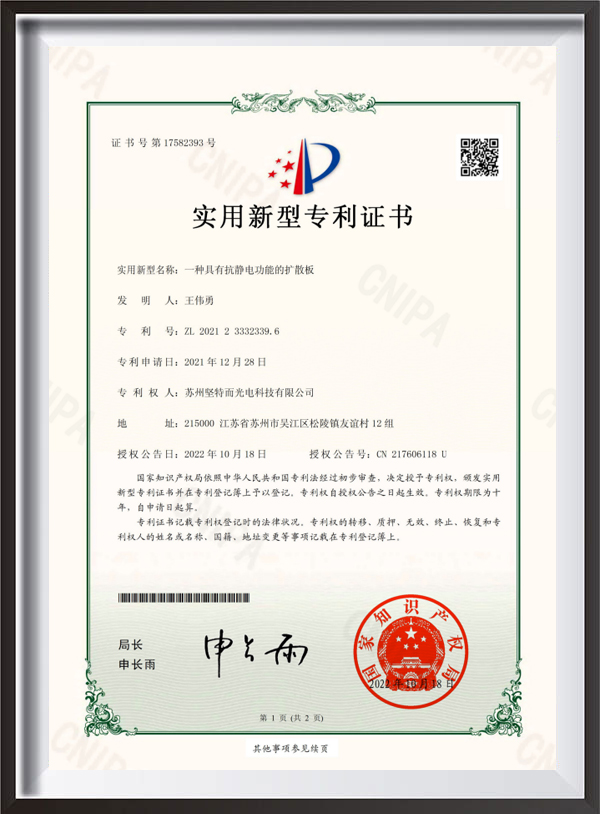
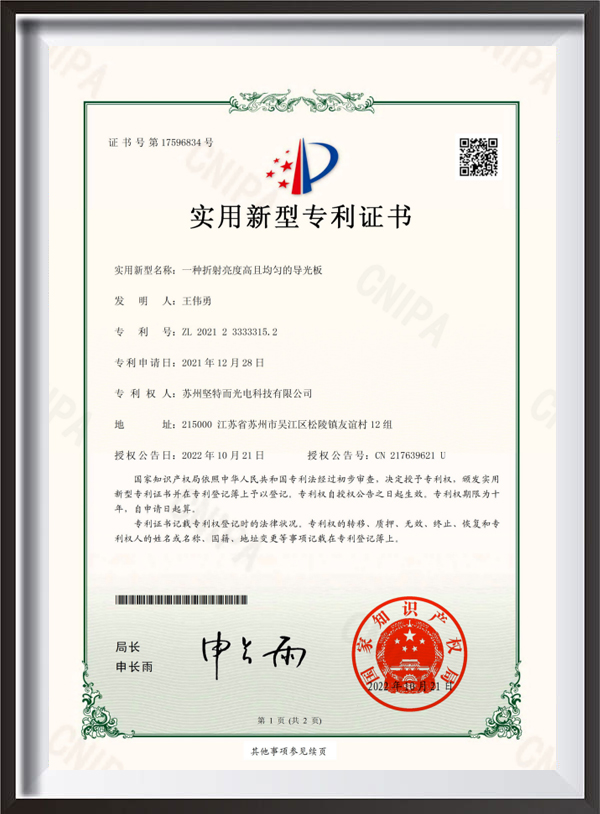
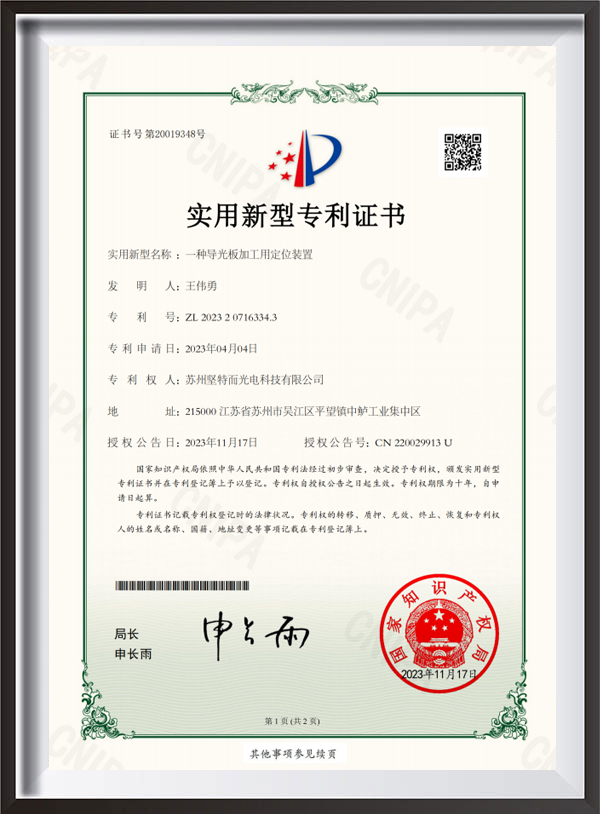
Certificate Of Honor
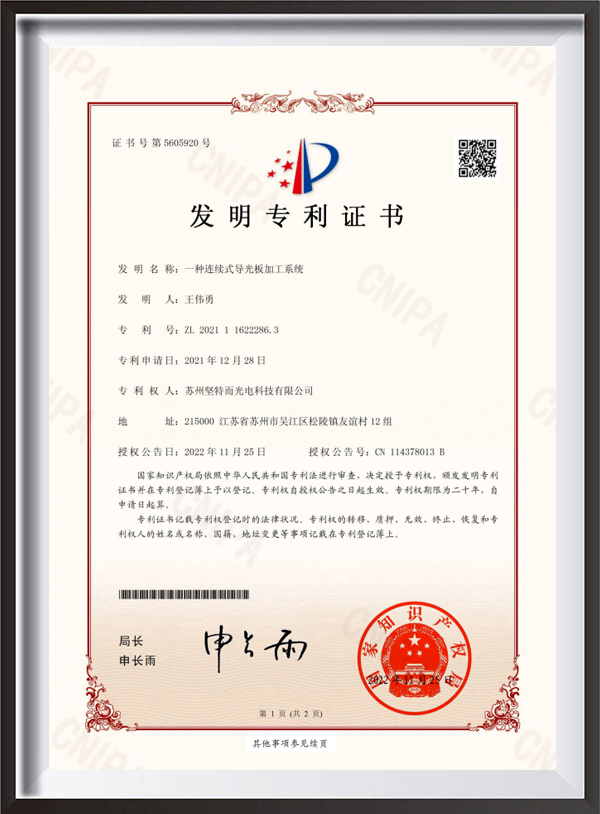
  • Certificate of Patent for Invention
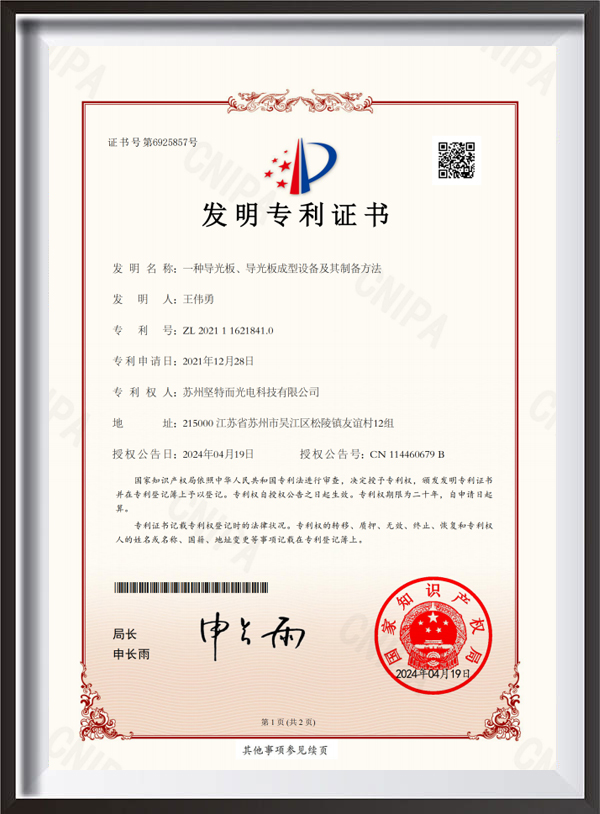
  • Certificate of Patent for Invention
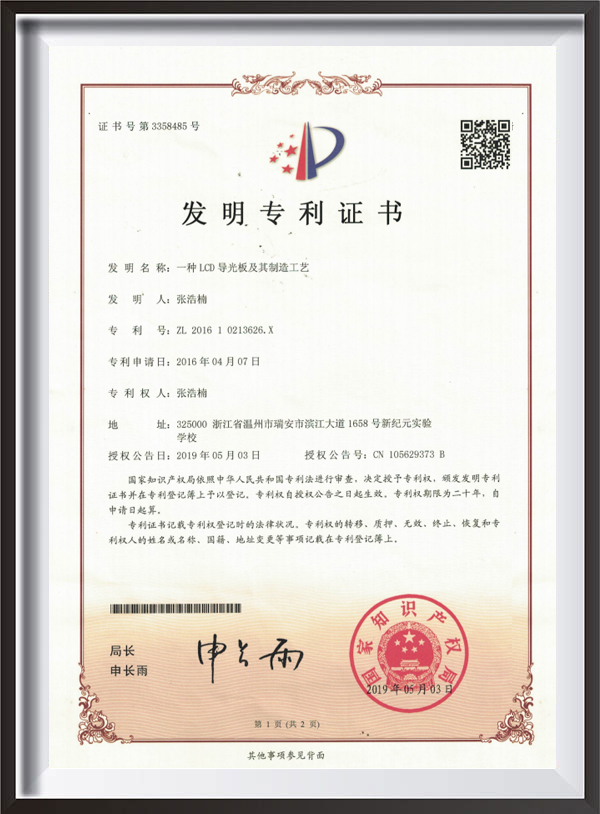
  • Certificate of Patent for Invention
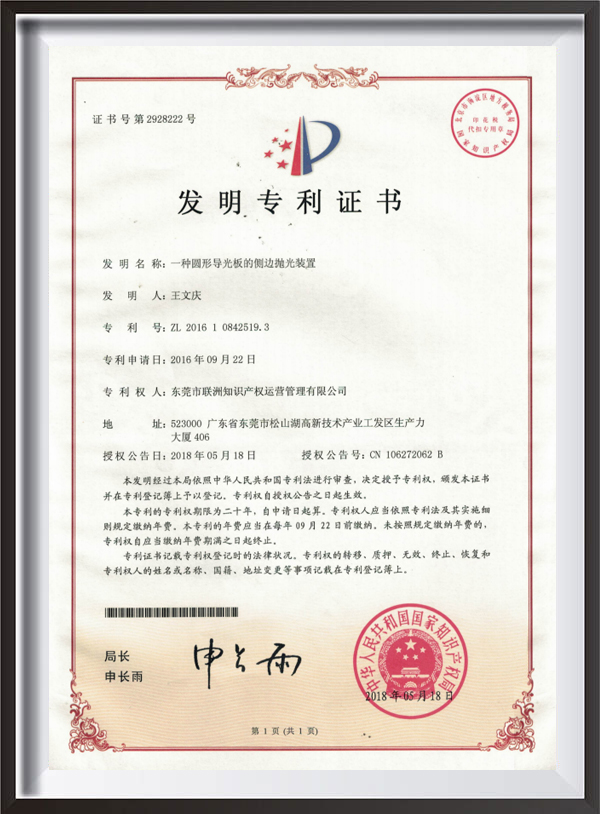
  • Certificate of Patent for Invention
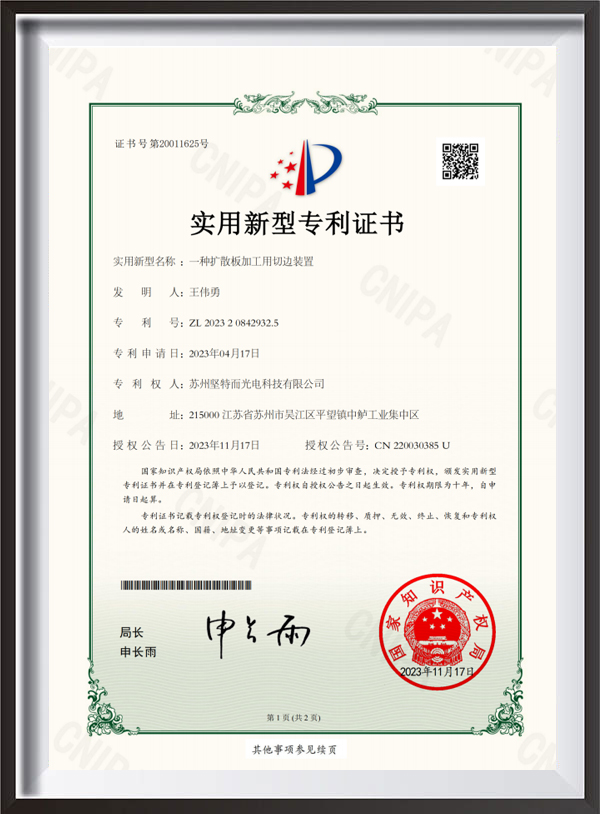
  • Utility Model Patent Certificate
  • Utility Model Patent Certificate
  • Utility Model Patent Certificate
  • Utility Model Patent Certificate
  • Utility Model Patent Certificate
  • Utility Model Patent Certificate
latest news
Industry knowledge

Industry Knowledge

How Material Choice Drives Blister Pack Performance: PVC, PET, PP, and PS Compared

The selection of raw material for vacuum forming plastic sheets is not a commodity decision — it directly determines clarity, stiffness, chemical resistance, seal behavior, and end-of-life recyclability of the finished blister pack or tray. Each of the four dominant materials carries a distinct property profile, and matching that profile to the application requirements is the first and most consequential step in blister packaging design.

Material Clarity Stiffness Heat Seal Recyclability Typical Use
PVC High Good Excellent (low temp) Poor (chlorine content) Pharmaceuticals, hardware retail
PET / PETG Excellent High Good (higher temp) Good (widely accepted) Food trays, cosmetics, premium retail
PP Moderate Moderate Limited (requires PP film) Good Food-contact trays, microwavable packaging
PS / HIPS Good (PS); Opaque (HIPS) Moderate Moderate Limited Disposable trays, toy inserts, egg cartons

PVC's dominance in pharmaceutical blister packs stems from its low heat-seal initiation temperature (around 130°C), which allows reliable bonding to aluminum foil lidding on high-speed packaging lines without distorting the formed cavities. However, increasing regulatory pressure in the EU and East Asia is accelerating the shift toward PET-based Vacuum Forming Plastic Sheets, particularly PETG, which retains PVC-level clarity and formability while eliminating chlorine from the waste stream. For food-contact applications requiring microwave compatibility, PP is the only viable option among these four materials, as it maintains structural integrity at temperatures above 120°C where PET and PS begin to soften.

Mold Selection for Blister Packaging: Why Plaster, Copper, and Aluminum Each Serve Different Production Realities

Mold choice in vacuum forming is fundamentally a trade-off between upfront tooling cost, surface quality, thermal conductivity, and production volume capacity. The three dominant mold types used in blister packaging production — plaster, electroplated copper, and machined aluminum — each occupy a distinct position in this trade-off space, and selecting the wrong mold type for a given production scenario is one of the most common sources of quality problems and unnecessary cost in the industry.

Plaster Molds

Plaster molds are hand-cast from gypsum, typically around a physical sample of the product to be packaged. Lead times are 24–72 hours and tooling cost is minimal — usually under a few hundred dollars. The surface of a plaster mold is inherently porous, which is advantageous for vacuum forming because the porosity itself assists vacuum draw without requiring drilled vent holes. However, plaster's low thermal conductivity (approximately 0.5 W/m·K, compared to 160 W/m·K for aluminum) means cycle times are slow because the formed sheet cannot be cooled efficiently through the mold body. Plaster molds are mechanically fragile and typically rated for a few hundred to a few thousand cycles before surface degradation becomes visible in the formed parts. They are the correct choice for prototyping, short production runs, and development samples where geometry confirmation matters more than surface finish or cycle time.

Electroplated Copper Molds

Electroplated copper molds start from a master pattern — often a plaster or resin form — onto which copper is electrodeposited to a shell thickness of 3–8 mm, then backed with aluminum-filled epoxy or cast aluminum for structural support. The copper shell captures fine surface detail from the master pattern, achieving surface roughness values of Ra 0.4–0.8 µm, which translates to glossy, high-fidelity formed surfaces suitable for cosmetics, electronics display packaging, and premium retail blister packs. Copper's higher thermal conductivity (approximately 390 W/m·K) compared to plaster significantly improves cooling uniformity and cycle time. Copper molds are well-suited to medium production volumes in the range of 10,000 to 500,000 cycles, and they can be repaired by re-electroplating worn or damaged surfaces — a meaningful advantage over molds that must be entirely replaced when damaged.

Machined Aluminum Molds

CNC-machined aluminum molds represent the highest upfront tooling investment but deliver the best dimensional accuracy, longest service life, and fastest cycle times. Aluminum's thermal conductivity (160–200 W/m·K depending on alloy) enables active water cooling channels to be machined directly into the mold body, reducing cycle time by 30–50% compared to non-cooled molds and dramatically improving part-to-part consistency. Vent holes are drilled at 0.5–1.0 mm diameter at cavity corners and deep draw points, allowing precise control of vacuum distribution that is not possible with porous plaster. For high-volume production of standardized Vacuum Forming Plastic Products — electronics trays, toy inserts, supermarket display packaging — aluminum tooling amortizes its higher cost across millions of cycles and delivers the surface consistency and dimensional repeatability that retail customers increasingly require.

Sheet Heating in Vacuum Forming: Temperature Uniformity Is Where Quality Is Actually Won or Lost

Vacuum forming is often described as a simple process — heat the sheet, pull it over a mold, apply vacuum. In practice, the heating stage is the most technically demanding part of the cycle, and most forming defects — webbing, uneven wall thickness, surface blistering, whitening, or tearing at deep draw points — trace back to temperature non-uniformity in the heated sheet rather than to mold geometry or vacuum level.

Thermoplastic sheets used in blister packaging typically require forming temperatures between 120°C and 180°C depending on material and thickness. The challenge is achieving this temperature uniformly across the entire sheet area, including corners and edges that lose heat to the clamping frame, and through the full sheet thickness. Infrared heating elements are the standard approach; the spectral output of the elements must be matched to the absorption characteristics of the sheet material. PET absorbs IR energy most efficiently at wavelengths of 3–5 µm (medium-wave IR), while PVC responds better to near-wave IR. Mismatched heater-material combinations result in slow, uneven heating that extends cycle time and produces temperature gradients across the sheet.

Sheet sag measurement remains the most practical real-time indicator of forming readiness on most production lines. A correctly heated sheet will sag 10–25 mm below its clamped plane under gravity before forming — the exact target varies by material and thickness. Optical or laser sag sensors allow automated forming cycles to trigger at a consistent thermal state rather than relying on timed heating, which cannot account for ambient temperature variation, line voltage fluctuations, or sheet thickness variation within a production batch. Lines equipped with sag sensing consistently produce more uniform wall thickness in deep-draw cavities than time-controlled lines, particularly when forming thinner sheets below 0.5 mm where the heating window is narrow.

Shock Absorption and Product Protection: How Vacuum Formed Cavity Geometry Does the Engineering Work

The protective function of blister packaging is often described vaguely as "cushioning" or "shock absorption," but the mechanics of how a formed tray actually protects its contents are specific and worth understanding — particularly for packaging designers specifying cavity geometry for electronics, medical devices, or fragile consumer products.

A vacuum formed cavity protects its contents through two distinct mechanisms: geometric confinement and elastic deformation. Geometric confinement means the cavity is shaped to match the product contour closely enough that the product cannot shift or rotate under impact loading. When a packaged product cannot move relative to its cavity, impact energy must be absorbed by the tray material and the backing card or lidding film rather than converted into product acceleration. The tighter the conformance between cavity and product, the less the product moves, and the lower the peak acceleration experienced at impact.

Elastic deformation is the secondary mechanism: when an impacting force exceeds what geometric confinement alone can manage, the cavity walls flex and absorb energy before recovering. This is why wall thickness uniformity in the formed tray matters so much — thinned walls at deep draw points (a common result of poor heating uniformity or inadequate mold venting) deform plastically rather than elastically under impact, providing one-time protection and then losing structural integrity. Well-formed Vacuum Forming Plastic Products maintain consistent wall thickness throughout the cavity, including at the deepest points of complex geometries, ensuring the elastic behavior is repeatable across multiple impacts during shipping and handling.

For supermarket display applications, the geometry also serves an optical function: the contouring of the cavity positions the product at a consistent angle and height relative to the card backing, controlling how it is presented on-shelf. This is why packaging designers for consumer electronics and toy products often specify negative draft angles or undercut features that lock the product visibly in position — a functional choice that also creates the "floating product" display effect common in premium retail packaging. Suzhou Gentle Photoelectric Technology Co., Ltd., working across display, consumer electronics, and medical equipment sectors, encounters these multi-functional packaging requirements regularly, where the structural, protective, and visual performance of a formed tray must be optimized simultaneously.

Flocking and Environmentally Friendly Vacuum Forming Materials: What They Deliver Beyond Aesthetics

Flocked vacuum forming sheets — base plastic sheets onto which short fibers (typically nylon or polyester, 0.5–3 mm in length) are electrostatically applied and adhesive-bonded — are used in premium packaging for jewelry, watches, cosmetics, and optical instruments. The functional advantages extend well beyond the visual softness and luxury feel that is the obvious marketing attribute.

The fiber layer provides genuine surface protection: the dense pile creates a standoff distance between the hard plastic cavity surface and the product surface, preventing scratching of polished or coated surfaces during insertion, transit, and repeated opening and closing. For optical components, watch faces, or jewelry with high-polish surfaces, direct contact with a plastic tray — even a smooth one — creates micro-scratches over time. Flocking eliminates this entirely. The fiber layer also adds a measurable degree of vibration damping: the fiber matrix dissipates high-frequency vibrations that pass through rigid plastic cavities unchanged, reducing the risk of resonance damage to fragile mechanical or optical assemblies during transport.

From an environmental compliance perspective, the industry has shifted significantly toward water-based flocking adhesives and recycled-fiber pile materials to meet retailer sustainability requirements. The base substrate choices have also broadened: PET-based flocked sheets are now widely available, combining the recyclability advantage of PET with the surface protection of flocking in a single substrate that can be processed on standard Vacuum Forming Plastic Sheets production equipment without modification. Bio-based PLA substrates with flocked surfaces are an emerging option for brands with strict end-of-life requirements, though PLA's narrower forming window (typically 60°C–80°C, well below conventional thermoplastics) requires careful process adaptation.

Finishing Operations in Blister Packaging: Cutting, Folding, and Sealing Tolerances That Actually Matter

The finishing stage — trimming formed sheets to part boundaries, punching hang holes, folding blister boxes, and sealing to card or foil backing — is where much of the variation in final blister pack quality originates. Forming defects are usually visually obvious; finishing defects are often subtle, manifesting as seal failures in distribution, hang holes that tear under retail display loads, or fold lines that crack during box assembly.

Trimming and Punching

Steel-rule die cutting is the standard trimming method for blister packaging. The steel rule must be sharp enough to shear the sheet cleanly without creating micro-cracks at the cut edge, particularly with brittle materials like standard PS or with PET at low ambient temperatures. Blunt cutting rules produce ragged edges with stress concentrations that initiate cracking when the pack is flexed during consumer opening. Rule sharpness is typically assessed by cut-edge quality under 10× magnification; a clean edge shows no visible fiber pull or ragged deformation. Hang hole punches face the same requirement — a punched hole with micro-cracks at the edge perimeter will tear at loads well below the nominal strength of the sheet material, which is the most common cause of retail display failures for packaged consumer goods.

Heat Sealing to Card Backing

Heat sealing a PVC blister to a coated card backing is a pressure-time-temperature process where all three variables must be controlled within narrow windows. Seal temperature for PVC-to-blister-board is typically 150°C–180°C at the sealing bar face; dwell time ranges from 0.5 to 2 seconds depending on pack size and sealing bar area. Under-sealed packs fail peel tests immediately and are caught in production QC; over-sealed packs pass initial peel tests but may cause card delamination or cavity distortion that is only discovered after packaging. A calibrated peel test protocol — measuring peel force in Newtons per unit width at a standard peel angle, typically 90° or 180° — is the most reliable QA method and should be performed at the beginning of each production shift and after any process parameter change.

Fold Lines in Blister Boxes

Blister boxes — clamshell designs where the formed tray folds to enclose the product — require scored fold lines that allow clean, repeatable bending without cracking. Scoring depth is material-dependent: PET boxes typically require scores penetrating 40–50% of sheet thickness to fold cleanly, while PVC tolerates shallower scores of 25–35% thickness. Scoring too deep creates structural weakness at the fold that fails under retail handling; scoring too shallow causes the material to crack rather than fold at the score line, particularly in cold environments. For optically clear boxes where the fold line is visible to the consumer, score geometry also affects aesthetics — a V-profile score with a sharp apex creates a cleaner visible line than a flat-bottomed groove that produces a diffuse white crease.

Where Vacuum Forming Sheet Technology Intersects with Optical Material Development

The material science underlying high-performance Vacuum Forming Plastic Sheets and the material science behind precision optical sheets share more common ground than the product categories suggest. Both domains require tight control of polymer molecular weight distribution, additive systems, and extrusion parameters to achieve consistent optical and mechanical performance. Both are sensitive to moisture, thermal history, and surface contamination in ways that do not affect commodity plastic products. And both increasingly demand material formulations that balance performance with environmental compliance — a challenge that requires in-depth compounding capability rather than simple resin selection.

Suzhou Gentle Photoelectric Technology Co., Ltd., as a specialist in new optical materials serving display, lighting, consumer electronics, automotive, and medical equipment industries, works with many of the same base polymer families — PET, PC, PP — that appear in vacuum forming sheet applications. The company's full-process development capability, spanning material formulation design through pilot trials to mass production, reflects an understanding that performance in demanding applications is built at the formulation and process level, not achieved by selecting a standard grade from a distributor catalog. This same principle applies to high-specification vacuum forming applications: the packaging that protects precision optical components, medical devices, or consumer electronics requires sheet materials designed and processed with equivalent rigor to the products they contain.

Vacuum Forming Plastic Products used in electronics and medical device packaging are increasingly subject to the same contamination control and outgassing requirements that govern the materials inside the package. Low-outgassing PET and PP sheet formulations — specifying residual monomer levels, additive migration rates, and volatile organic compound emission profiles — are now requested by major electronics OEMs whose products are sensitive to surface contamination from packaging materials. This convergence of packaging material requirements with the cleanliness standards normally associated with functional materials is reshaping what sheet suppliers need to know about their materials, and elevating the technical bar for producers across the vacuum forming supply chain.