Complete Lamp Series: Fully Built LED Luminaires from an Optical Materials Manufacturer
Suzhou Gentle Photoelectric Technology Co., Ltd. designs and manufactures the Complete Lamp Series, a family of finished LED luminaires covering industrial, cleanroom, commercial and protective lighting duties. Each fixture combines a selected LED source, a defined thermal path and an optical stack built from sheet material we extrude and finish ourselves.
Because we also produce the PS, PMMA and PC sheet behind the diffuser and light guide plate, the optical behaviour of the finished lamp is controlled at formulation level rather than assembled from commodity components. This is the practical difference between a lamp assembled from bought-in parts and a lamp engineered from the light source outward.
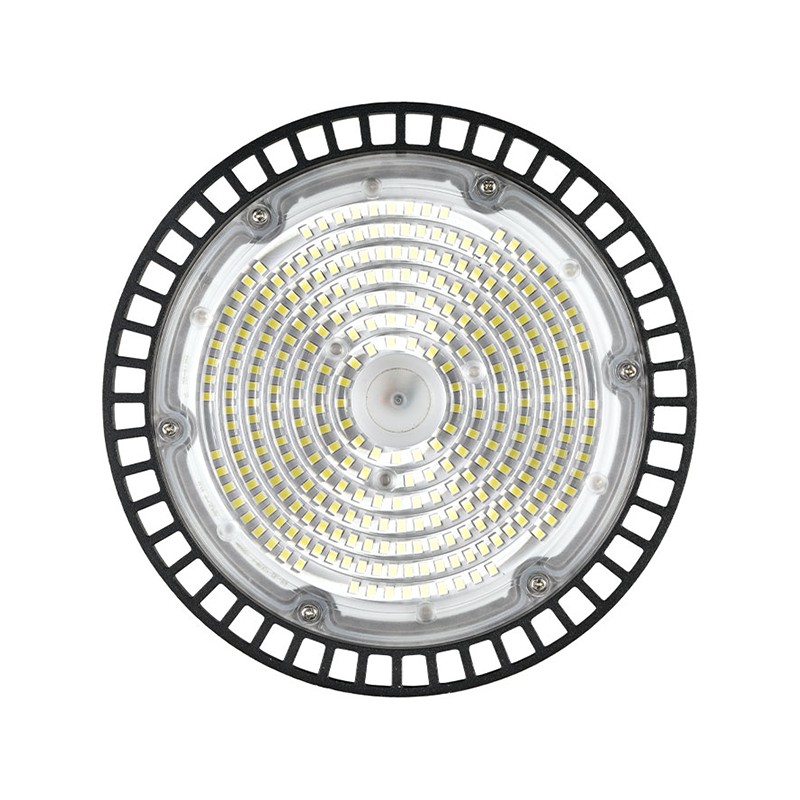
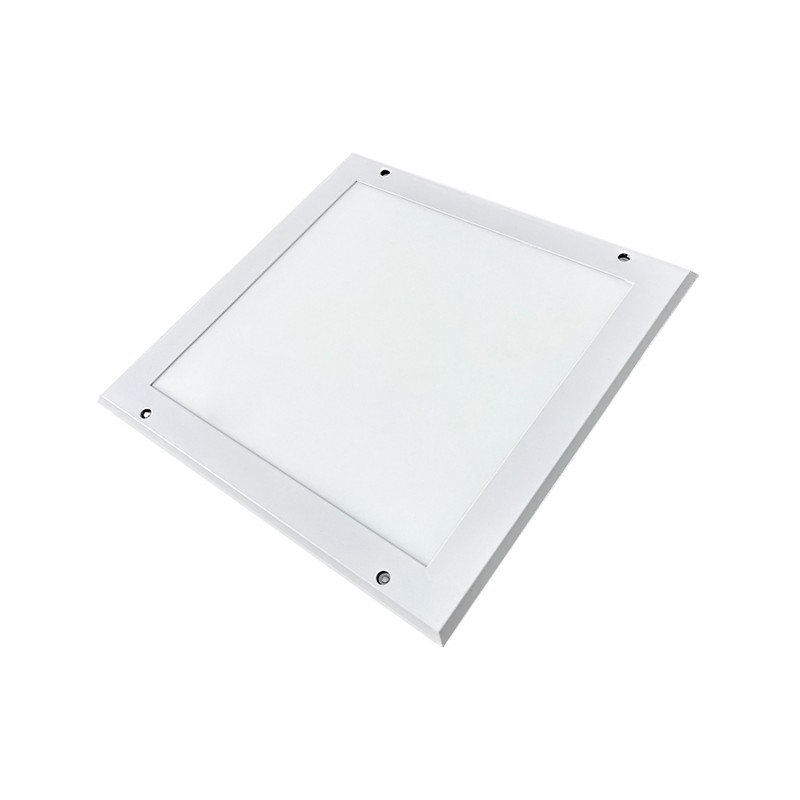
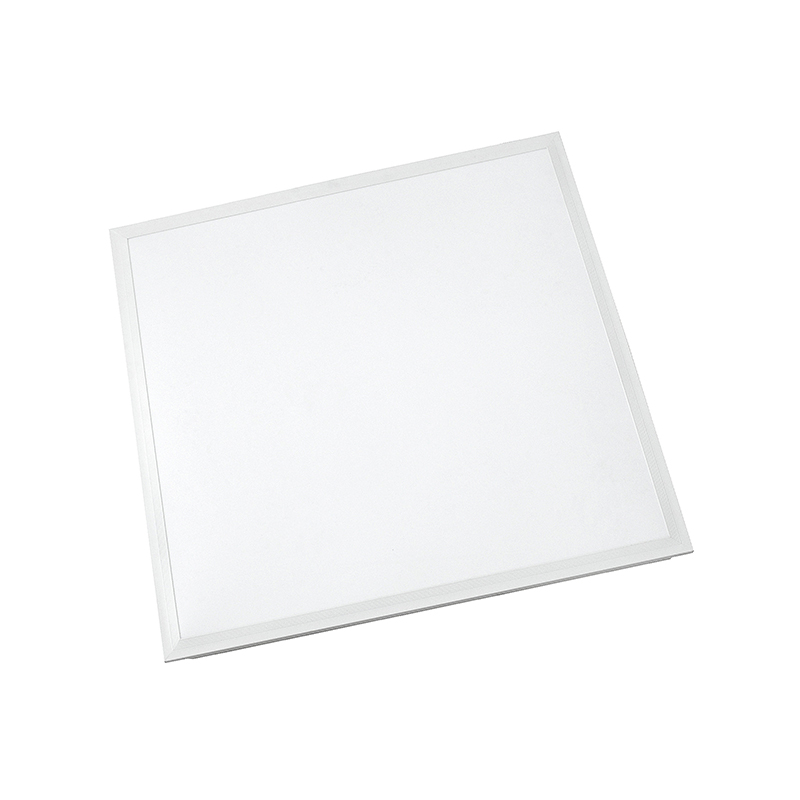
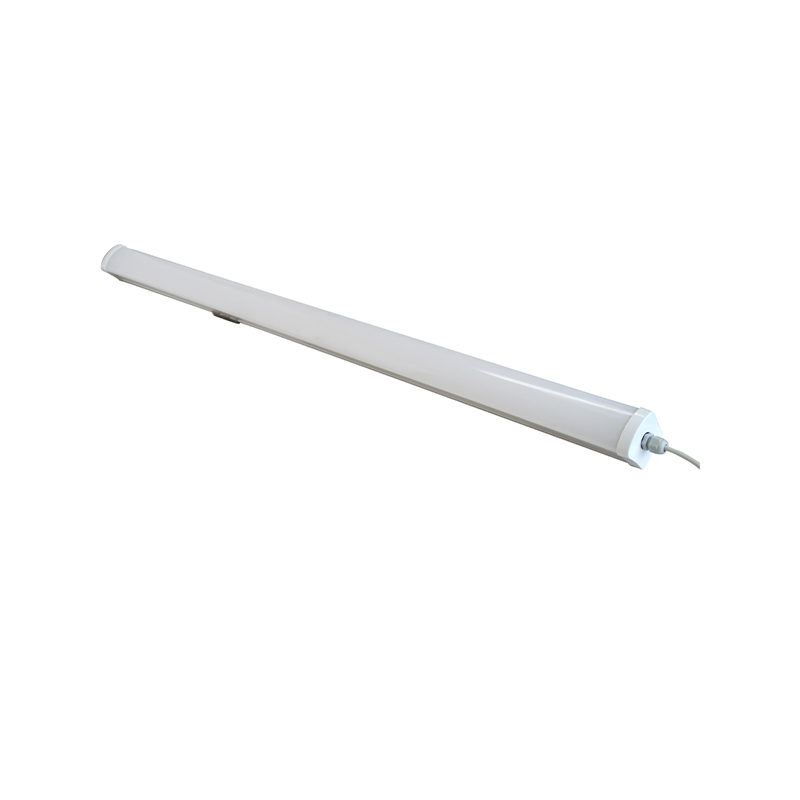
Range at a glance: LED Panel Light, LED Cleanroom Panel Light, LED Integrated Tri-Proof LED Light, LED UFO-Shaped Industrial and Mining Lamp — four fixture families sharing one optical materials platform.
Our Range and Where Each Fixture Fits
The series is organised by environment rather than by wattage. A workshop ceiling, a GMP cleanroom grid, a washdown corridor and a warehouse aisle each impose different demands on ingress protection, mounting depth, glare control and maintenance access. We match the fixture family to those conditions first, then size the wattage and beam to the illuminance target.
| Fixture family |
Typical environment |
Key construction |
Protection |
| LED Panel Light |
Offices, classrooms, retail, corridors |
Single-piece aluminium body, high-transparency diffuser |
IP20 |
| LED Cleanroom Panel Light |
GMP and ISO-classified rooms, precision assembly |
12 mm slim body, acrylic light guide plate, flush profile |
IP40 |
| LED Integrated Tri-Proof LED Light |
Washdown areas, parking, food and wet process zones |
Sealed integrated housing, gasketed diffuser |
Sealed body |
| LED UFO-Shaped Industrial and Mining Lamp |
Plants, workshops, logistics centres, shipyards, mining |
Die-cast aluminium body, 100–240 V universal input |
IP65 |
The panel and cleanroom families share a surface-emission architecture: the LED point source is converted into an even plane of light through a light guide plate and diffuser. The tri-proof and UFO families are directional fixtures where the housing itself carries the sealing and thermal duties.
Optical Stack: Why We Build the Sheet and the Lamp
Diffuser and light guide performance decides three things that appear on every luminaire datasheet: fixture-level efficacy, luminance uniformity across the emitting face, and how far those two values drift over service life. Transmission and haze pull against each other — more scattering buys uniformity but adds absorption loss. We set haze and transmission targets at the formulation stage so a thin panel with close LED-to-diffuser spacing still reaches the required uniformity.
- Light guide plates — laser-dotted or screen-printed patterns convert edge or back light into a uniform plane; pattern density is tuned to the cavity geometry.
- Diffuser sheets — PS, PMMA and PC grades with controlled haze, including anti-glare prism, flame-retardant and antibacterial variants.
- Long-life stability — stabilised PC or PMMA grades are selected where the LED spectrum and duty cycle would otherwise accelerate yellowing of a PS diffuser.
- Protective optics — PC lampshades and endurance sheets for fixtures exposed to impact or outdoor conditions.
The same materials platform feeds our sheet ranges, so a lamp programme and a component programme can be specified from one supplier with consistent optical data. Related material families include the PMMA Sheet Series and the PC Sheet Series.
Thermal Path and Service Life
Junction temperature is the strongest predictor of lumen maintenance. Every interface between the LED package and ambient air adds thermal resistance, and a poor thermal interface bond can add several degrees that no amount of fin area recovers. Our luminaire designs treat the heat path as a chain: die to MCPCB, MCPCB to heat spreader, spreader to housing, housing to air.
- Die-cast aluminium bodies on the UFO high-bay family for high-wattage industrial duty.
- Single-piece aluminium housings on panel lights, with rust-preventive surface treatment.
- Derating strategy available for elevated ambient conditions in workshops and warehouses.
- Driver selection matched to the thermal and electrical environment of the installation.
Electrical Configuration and Control Integration
We configure the driver and control interface around the project rather than forcing a single electrical platform. Panel and cleanroom fixtures are offered with isolated or non-isolated drivers depending on the earthing and safety scheme of the building; the UFO high-bay uses a non-isolated supply with a 100–240 V input range for global grids.
| Configuration item |
Options we build to |
| Colour temperature |
3000–6500 K on panel and cleanroom families; 6500 K standard on high-bay |
| Power range |
12–65 W panel formats; 80–200 W high-bay formats |
| Efficiency tier |
Standard Ra80 output or high-efficiency variants up to 180–190 lm/W |
| Driver type |
Isolated or non-isolated, selected per installation safety scheme |
| Mounting format |
Recessed grid, surface mount, suspended, screw-fixed cleanroom frame |
Where a project calls for dimming or a building management interface, we confirm the control protocol and driver compatibility during configuration so the luminaire arrives ready for the line interface rather than requiring field modification.
Quality Control, Testing and Acceptance
Our laboratory carries the instruments needed to verify both the optical materials and the finished luminaire: integrating sphere, haze meter, illuminance meter, constant temperature and humidity chamber, impact and ball drop testers, roughness tester, melt flow tester and coordinate measuring machine. Photoelectric testing covers illuminance, luminance and uniformity; reliability testing covers high–low temperature cycling, aging, abrasion and scratch resistance.
- Dimensional verification by 2.5D measurement, thickness analysis and surface layer measurement.
- Material verification including composition, roughness and flame retardancy testing.
- Mechanical verification including hardness and drop testing.
- Batch-level optical and reliability records supporting incoming inspection and project acceptance.
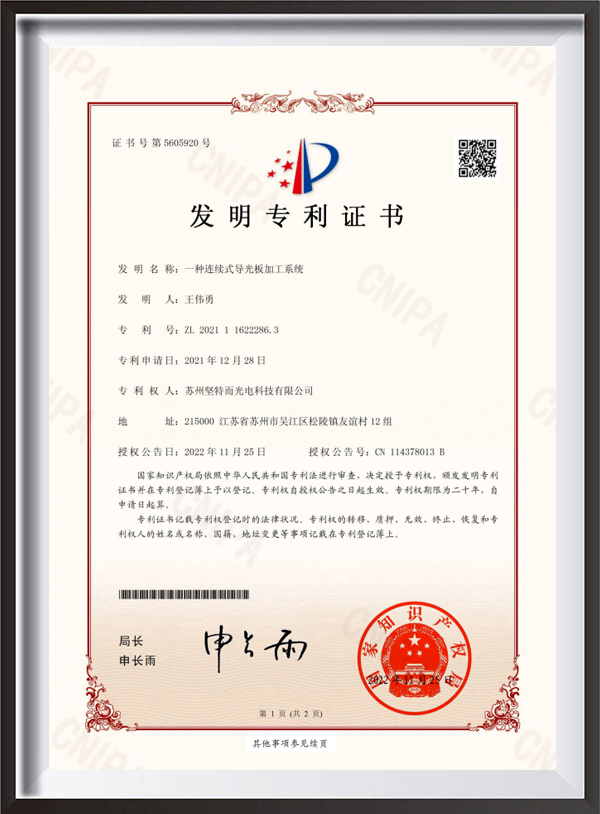
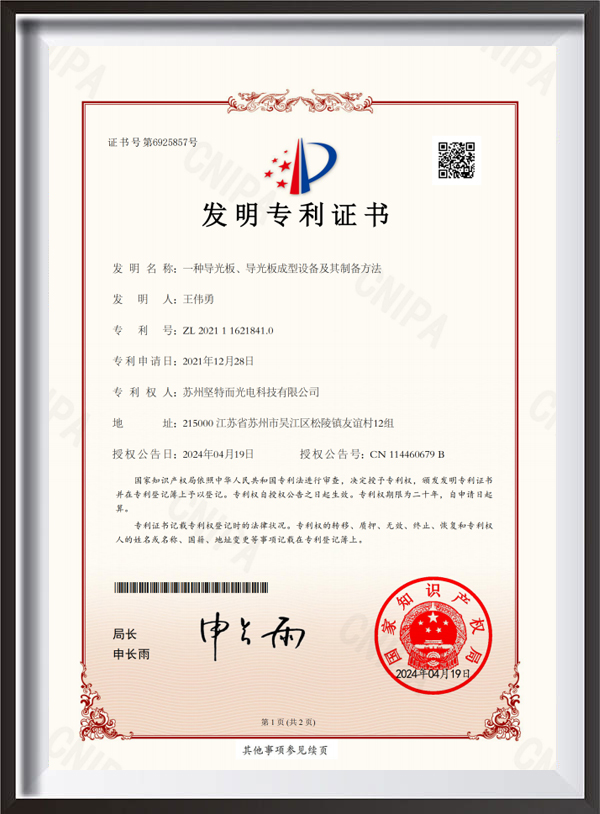
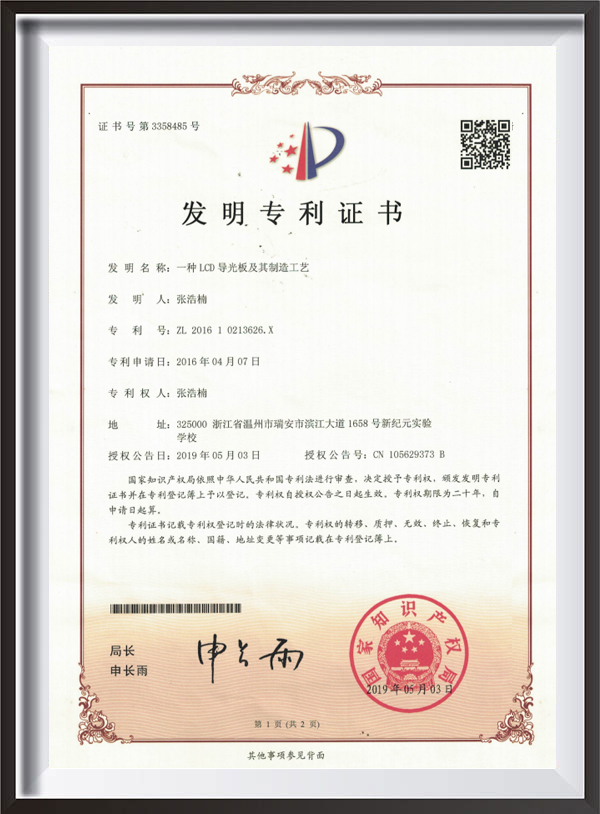
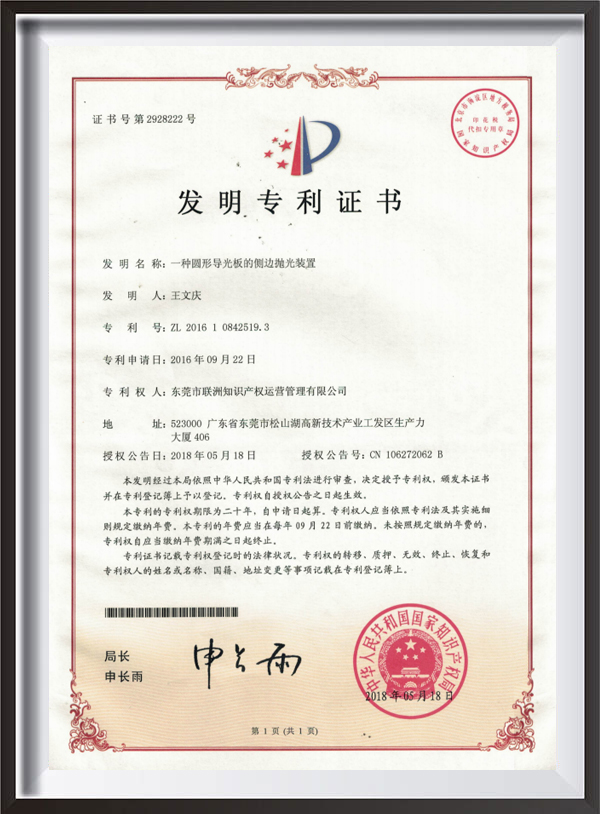
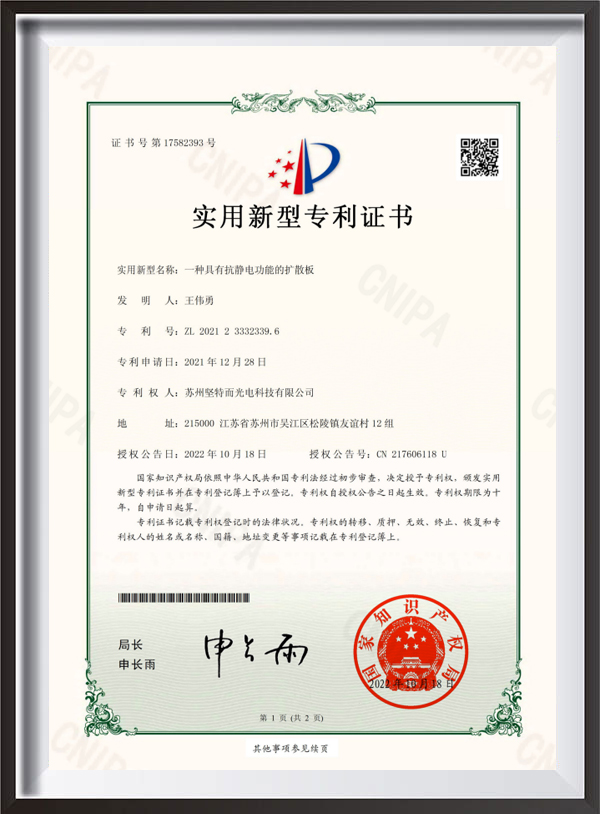
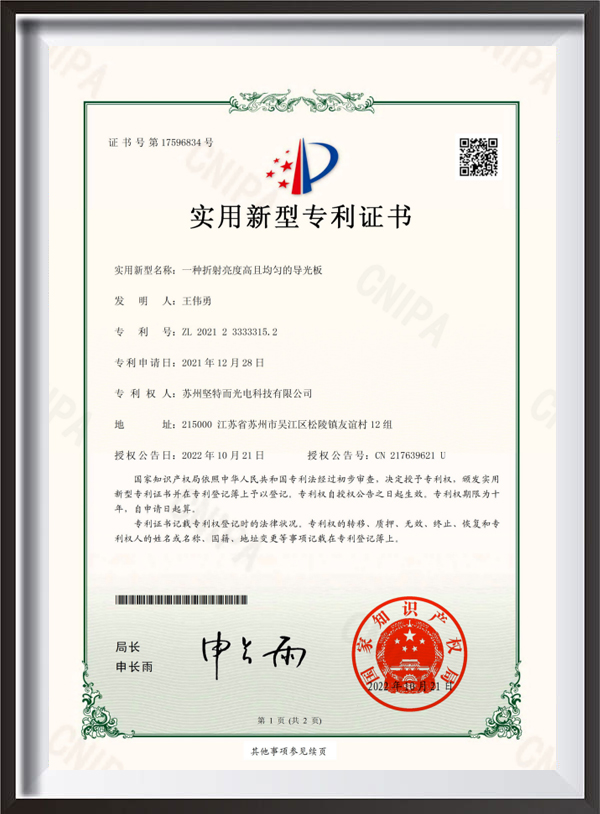
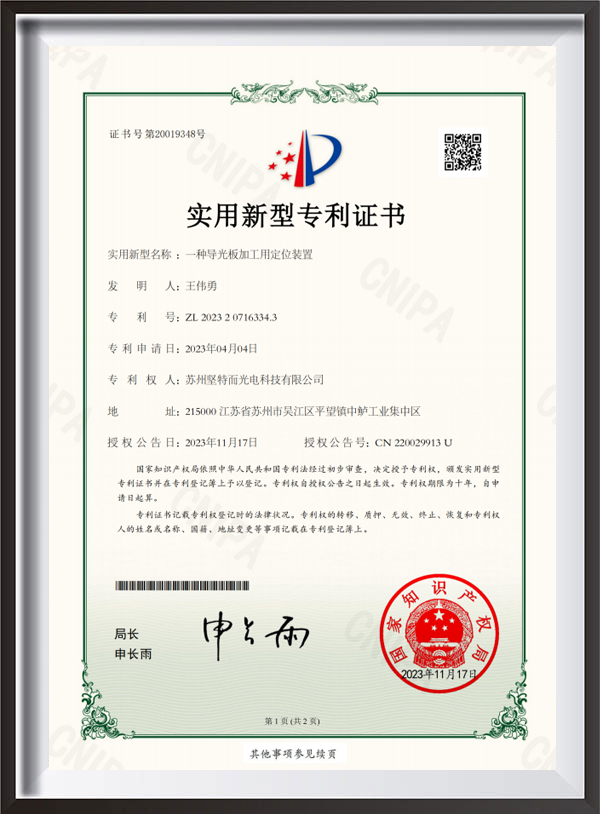
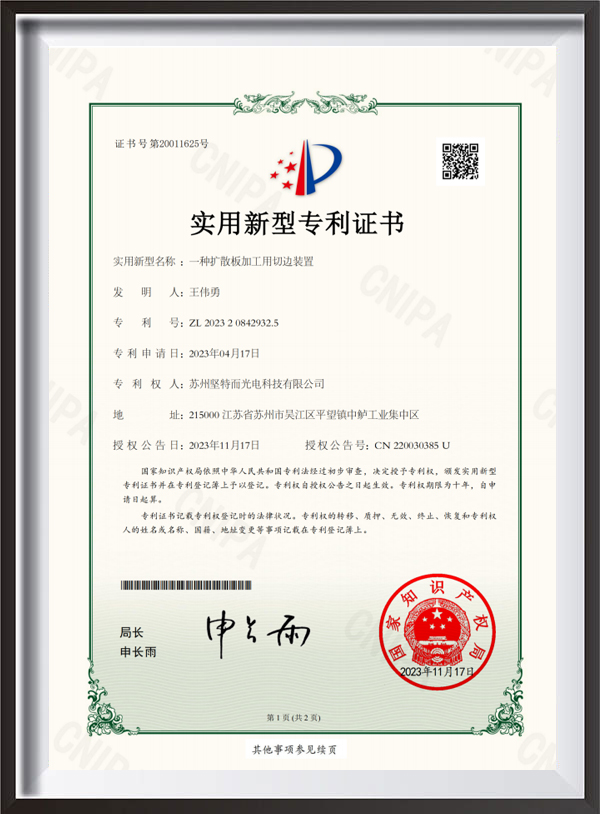
Suzhou Gentle Photoelectric Technology Co., Ltd. operates as a National High-Tech Enterprise with 37 patent applications and ISO9001 certification, and holds invention and utility model patents covering optical material and luminaire developments.
Installation, Maintenance and Serviceability
Installation requirements differ sharply across the series, and we confirm them before the order is released. Cleanroom panel lights are built around a 12 mm slim body for flush ceiling integration, with the frame and sealing arrangement matched to the ceiling grid so no horizontal ledge collects particles. Tri-proof fixtures are sealed as a unit, so the mounting surface and cable entry must be planned together. UFO high-bay luminaires are suspended or bracket-mounted, and the hook or bracket load must be checked against the fixture weight at the specified ceiling height.
- Spare driver and diffuser supply can be included in the delivery scope for long-life installations.
- Fixtures are designed for front or below-ceiling access where maintenance intervals are long.
- Protective film is applied to finished panels and sheets before palletising to protect optical surfaces in transit.
- Documentation covers installation, wiring and maintenance points for the supplied configuration.
Information We Use to Configure Your Solution
A workable proposal needs the working point, not just a fixture count. We use the following inputs to select the family, size the wattage and confirm the optical stack.
| Project input |
What it determines |
| Room type, dimensions and mounting height |
Fixture family, beam distribution, spacing layout |
| Target illuminance and uniformity |
Wattage, lumen output, efficiency tier |
| Glare limit and colour quality requirement |
Diffuser grade, prism or diffusion option, CRI level |
| Ambient temperature and process heat |
Thermal design, drive current, derating strategy |
| Cleaning method and chemical exposure |
Ingress protection level, housing and gasket materials |
| Ceiling grid or mounting structure |
Fixture dimensions, frame type, fixing method |
| Supply voltage and control interface |
Driver type, dimming or BMS compatibility |
| Quantity, delivery schedule and packing requirements |
Production planning, palletising and shipment scope |
Where a standard model does not match the working point, our engineering team develops the optical material and fixture configuration from concept validation through pilot trial to volume production, including custom spectral transmittance, haze level and surface roughness targets.
Frequently Asked Questions
Which Complete Lamp Series fixture suits a GMP cleanroom?
The LED Cleanroom Panel Light is built for this duty: a 12 mm slim body, acrylic light guide plate for flicker-free surface emission, and a flush profile that avoids ledges where particles collect. We confirm the ceiling grid interface and sealing arrangement with the project drawings before release.
Can you supply the diffuser and light guide plate separately from the finished lamp?
Yes. The optical materials behind the series are produced in our own sheet ranges, so a project can take finished luminaires, replacement optical components, or both. This is useful where a client builds their own fixtures but needs a defined haze and transmission specification.
What is the difference between the standard and high-efficiency versions?
High-efficiency variants reach roughly 180–190 lm/W on the high-bay family and comparable gains on panel formats, typically with a lower colour rendering index than the standard Ra80 build. The choice depends on whether the project prioritises energy consumption or colour quality.
How do you handle high ambient temperatures in a workshop?
We review the ambient condition and process heat at the mounting position, then select the drive current and thermal design accordingly. Derating the drive reduces junction temperature and extends lumen maintenance, which matters where maintenance access is difficult or intervals are long.
What testing documentation accompanies a lamp order?
Our laboratory performs photoelectric, reliability, material and mechanical testing, including illuminance, luminance and uniformity measurement, temperature cycling, aging, and impact testing. Batch records from these tests support incoming inspection and project acceptance.
Do you support custom fixture development beyond the standard models?
We support full-cycle custom development from material formulation and micro-structured optical design through pilot trials to mass production. Custom spectral transmittance, haze levels and surface treatments are handled by our engineering team as part of the same programme.

 English
 Español