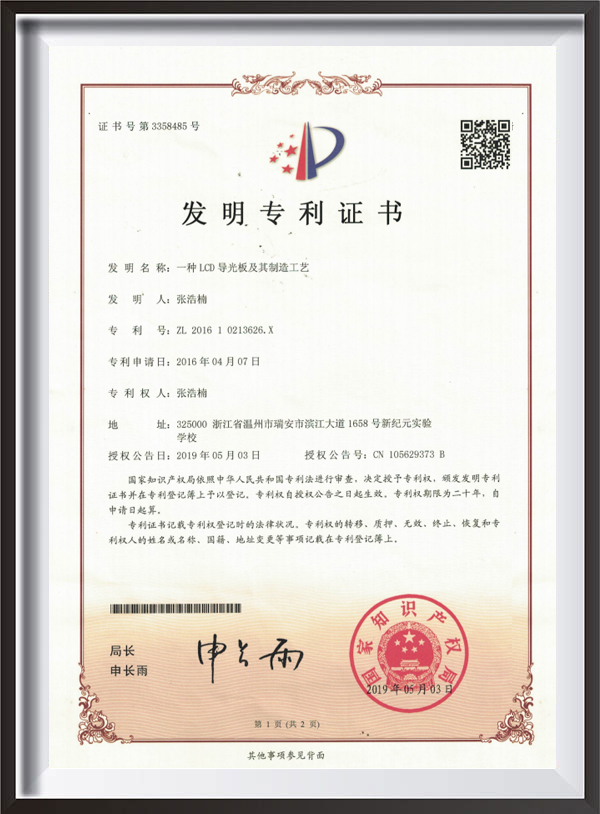
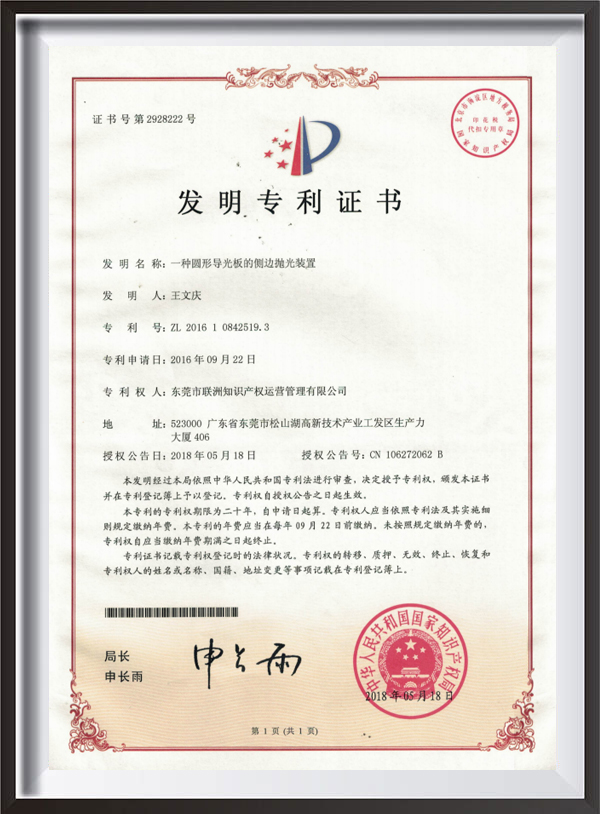
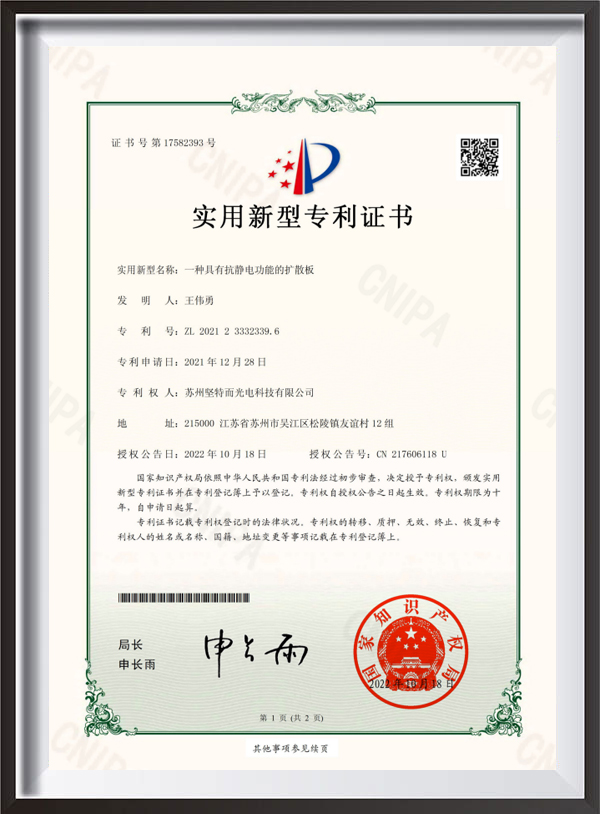
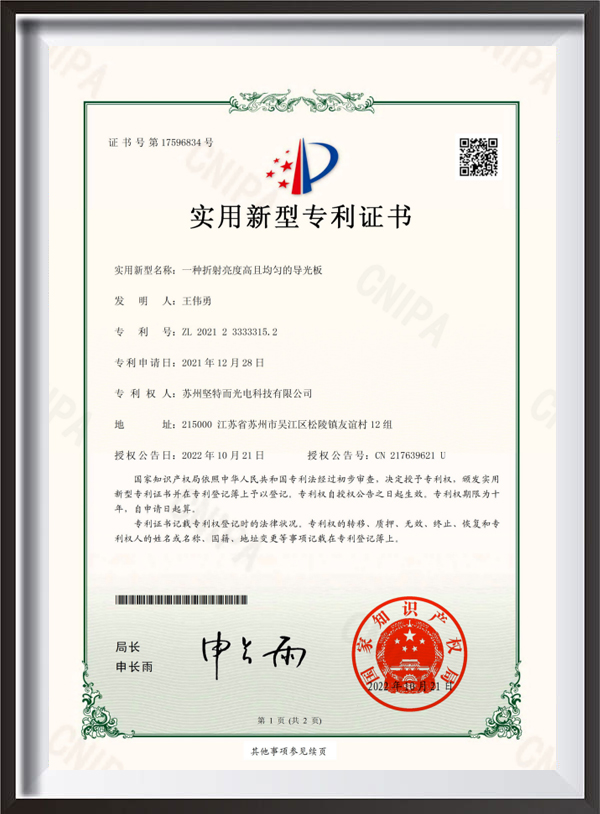
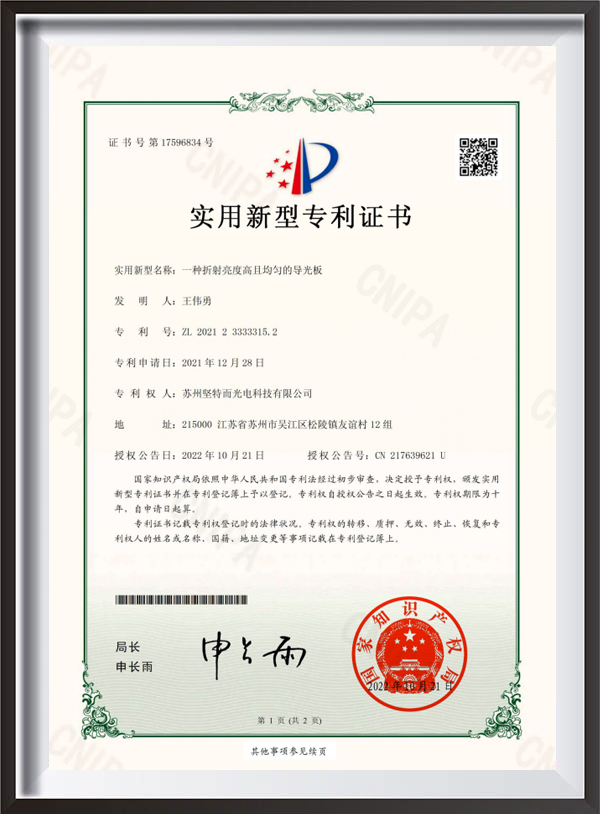
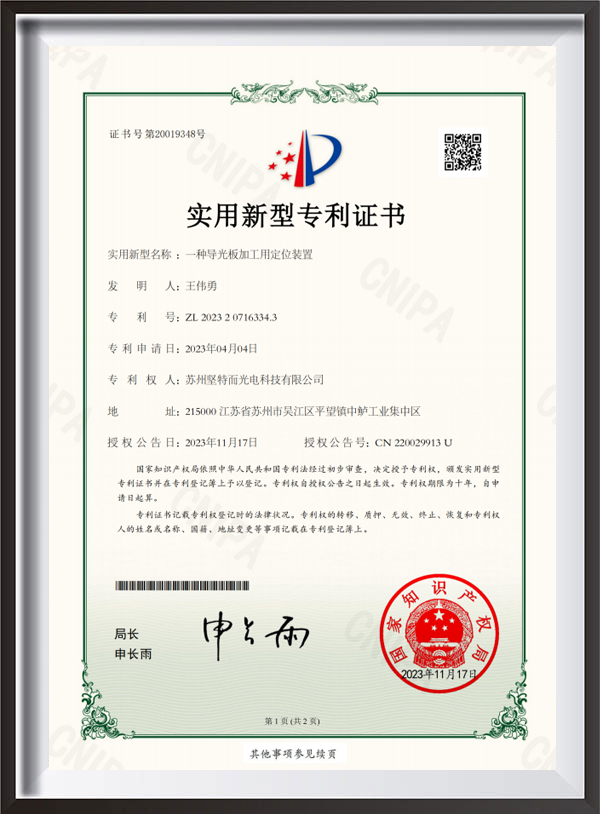
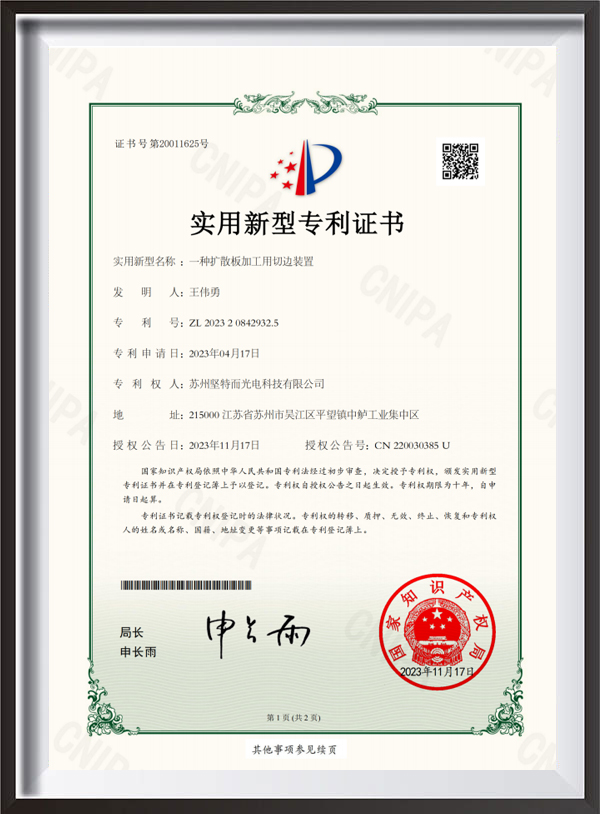
PC Sheet Series from Suzhou Gentle Photoelectric Technology
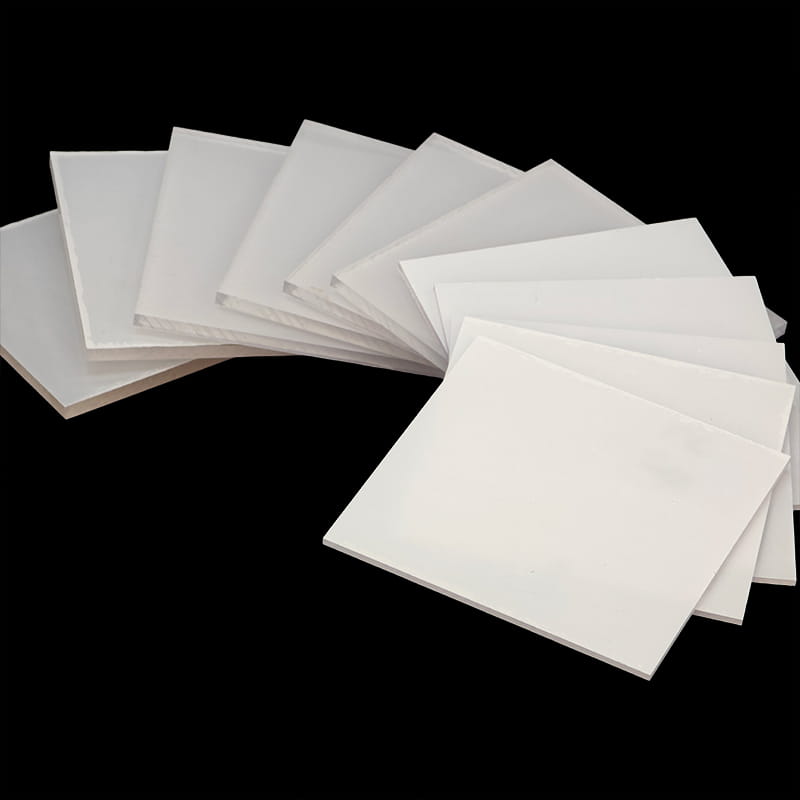
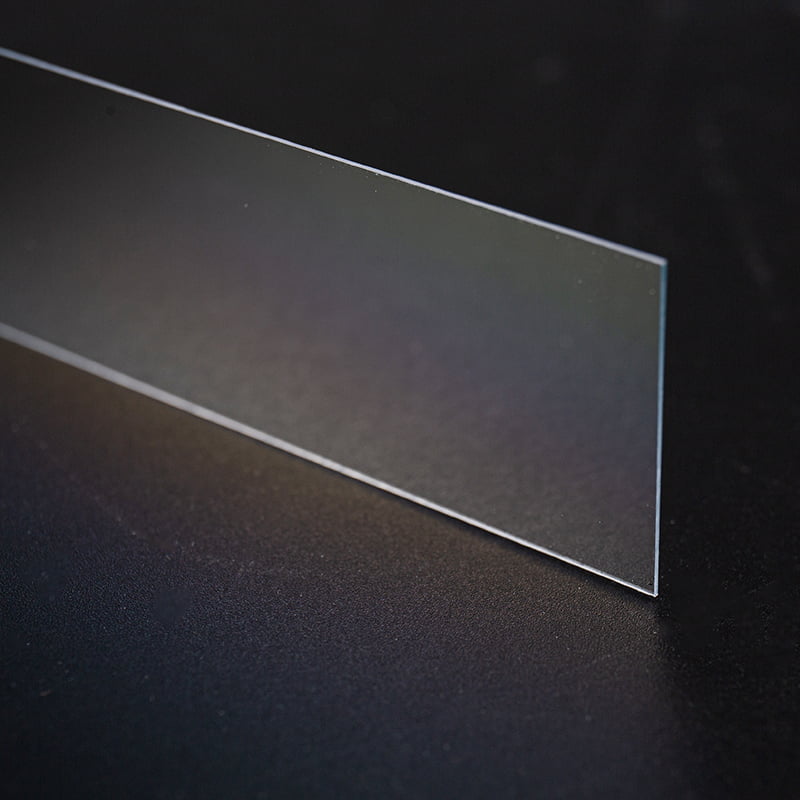
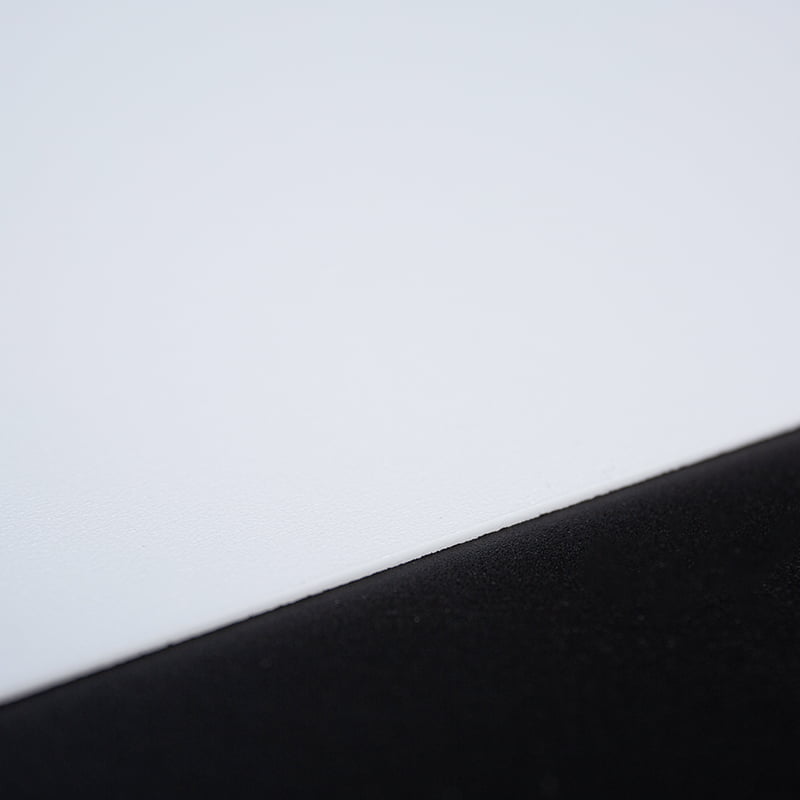
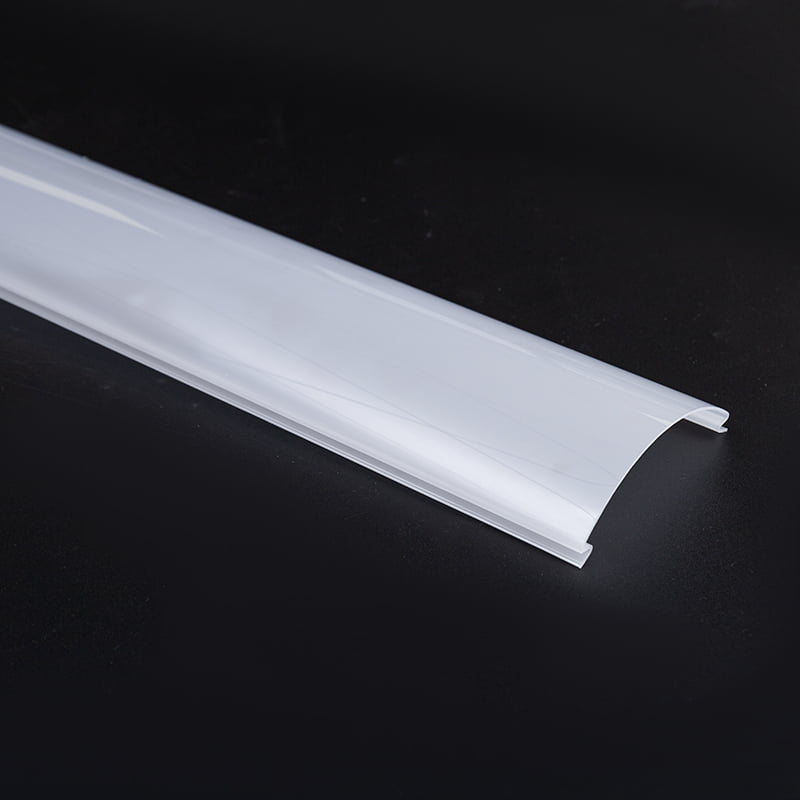
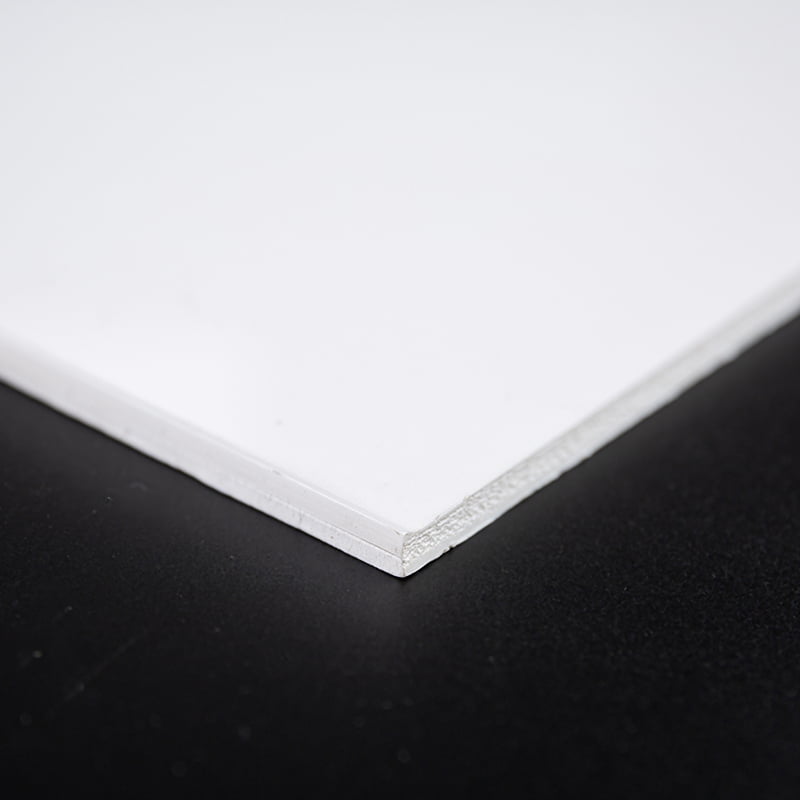
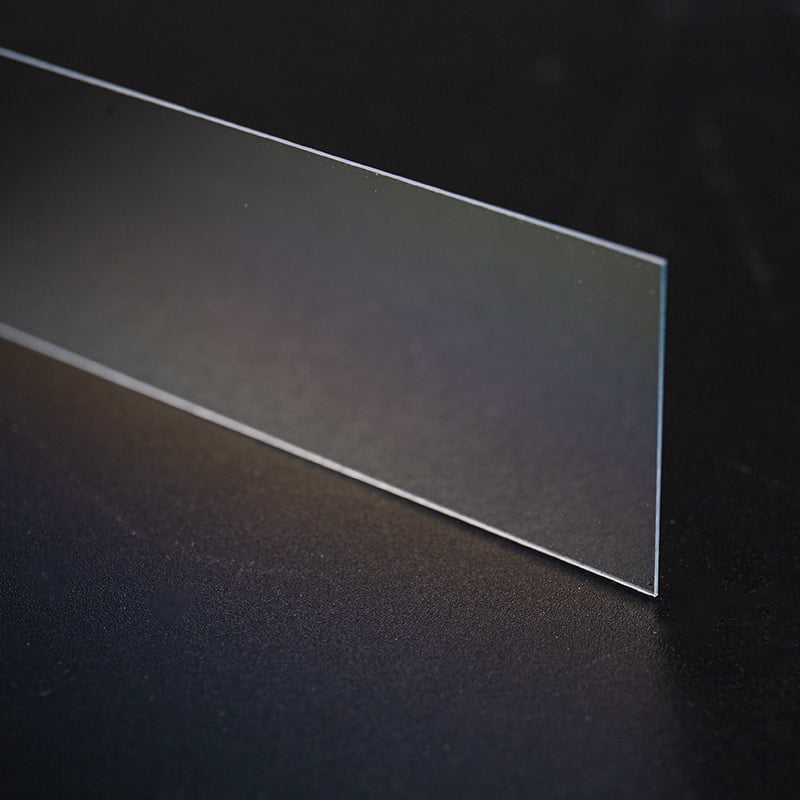
Suzhou Gentle Photoelectric Technology Co., Ltd. is a China-based optical materials manufacturer producing the PC Sheet Series on continuous extrusion lines. The range covers optical-grade polycarbonate transparent sheet, diffusion sheet, light guide plate, milky white partition sheet and formed lampshades, supplied in 0.5–3 mm thickness for lighting, display, transit and equipment projects.
We run melt extrusion, three-roll calendering, cooling and traction, then trimming, cutting and laminating in one continuous flow. Co-extruded functional layers — UV blocking, abrasion-resistant and color plies — are formed in the same pass, so a single sheet can carry the optical, fire and surface performance a luminaire or glazing assembly needs.
Polycarbonate as an Engineering Substrate
PC is a colorless, transparent, high-temperature-resistant thermoplastic engineering plastic. Its amorphous structure gives low molding shrinkage of 0.5–0.7%, so cut panels hold dimensions through thermal cycling and fit precision frames, optical stacks and printed registration without compensation. Continuous extrusion holds melt temperature and roll pressure at equilibrium for the full run, which keeps haze and thickness uniform across a delivery.
- Temperature range: long-term service from -40°C to 120°C, covering enclosed LED fixtures and outdoor luminaires.
- Flame retardancy: most models can reach UL 94 V-0, relevant to hospitals, transit hubs and emergency lighting.
- Impact: hard, strong and not easily broken; a shatterproof alternative to glass in public and high-traffic areas.
- Density: 1.20 g/cm³, far lighter than glass, reducing structural load and installation effort.
- Processability: cold bending, hot bending, cutting, drilling, laser dotting and screen printing.
Our PC Sheet Range and Where Each Grade Fits
Each grade in the series is built around a defined optical or mechanical job. The table below maps our supplied types to typical applications and the specification points we confirm before quoting.
| PC Sheet Type |
Thickness |
Application Fit |
Key Specification Points |
| Optical-grade transparent sheet |
0.5–3 mm |
Architectural daylighting, skylights, transit lighting, advertising lightboxes, hospital and bank partition glazing |
Transmittance, haze, flame rating, UV cap layer, cut size |
| Diffuser sheet |
0.8–2 mm |
LED panel lights, downlights, ceiling lights, tri-proof luminaires, surgical and road lighting |
Diffusion uniformity, LED dot concealment, operating temperature, flame rating |
| Silk-printable light guide plate |
1.0–3 mm |
Automotive interior and functional lighting, industrial and commercial tri-proof lightboxes, branded specialty luminaires |
Print compatibility, dot array design, dimensional stability, heat resistance |
| Milky white sheet |
Cut to project size |
Indoor partitions and light-blocking panels |
Opacity, surface finish, panel dimensions |
| Formed lampshade |
Multi-shape |
Indoor and outdoor fixtures requiring flame-retardant housings |
Profile geometry, wall thickness, fixing points, flame rating |
| Solid endurance sheet |
Multi-thickness solid |
Impact-resistant panels and protective components |
Impact grade, thickness tolerance, edge finish |
Optical and Mechanical Specification Choices
Optical performance is set by formulation and surface treatment rather than by thickness alone. We confirm transmittance and haze targets, then select the diffusion or light-guide structure that reaches them at the fixture depth available. For thin optical components, low shrinkage matters as much as clarity: a 1 mm sheet holds thickness to a tight tolerance, which supports edge-lit light guide systems and stacked diffuser layers.
- Transparent grades: high light transmittance with optional co-extruded UV and abrasion-resistant cap layers.
- Diffuser grades: uniform surface luminance with LED dot matrix concealed across the panel.
- Light guide grades: laser-dotted or screen-printed light paths, printable for logos and patterns.
- Flame-retardant grades: V-0 capable formulations for public, medical and transit installations.
- Color and opacity: milky white and colorant-bearing plies co-extruded in one pass.
Fabrication and Line Integration
PC sheet can be cold-bent, hot-bent, cut and drilled, which lets fabricators form curved covers and trim without heated tooling. Cold bending works because of PC's high elongation at break; as a working rule the minimum cold-bend radius is about 150× sheet thickness, so a 3 mm sheet bends to roughly 450 mm radius. Tighter radii move to hot bending at 150–180°C, above the glass transition temperature of about 147°C.
Cutting uses carbide-tipped blades at moderate speed to avoid frictional re-welding of the edge. Drilling uses reduced included angle and increased lip relief with lower spindle speed, and fastener holes are oversized to allow thermal movement on large outdoor panels. Where a project needs formed parts rather than flat stock, our Vacuum forming products cover the same optical materials in shaped components.
Quality Control and Acceptance Testing
Our laboratory carries integrating spheres, haze meters, a melt flow tester, impact testers, an illuminance meter, a roughness tester, a coordinate measuring machine and a ball drop impact tester. That equipment supports the acceptance evidence a project usually asks for.
- Dimensional: 2.5D measurement, thickness analysis, surface composite layer measurement.
- Photoelectric: illuminance, luminance and uniformity testing.
- Reliability: high and low temperature alternating, aging, abrasion and scratch resistance.
- Material and mechanical: composition analysis, roughness, flame retardancy, hardness and drop testing.
Inspection and cleaning, cutting, polishing of the light-incident side, laser or screen printing, protective film and pallet stacking are carried out as defined process steps, so the delivered panel matches the approved sample.
Custom Development and Project Support
We support full-process customized development: material formulation design, micro-structured optical design, pilot trials and mass production. Where a project needs specific spectral transmittance, haze level or surface roughness, our engineering team tailors the formulation and the co-extruded layer stack rather than forcing a catalogue grade into the application.
Technical support covers material selection, injection molding and coating process optimization, equipment operation training and on-site troubleshooting. Small-batch, diversified prototyping shortens time to market; volume orders run on the same extrusion lines for consistent optical output. The same optical materials are also available across our PMMA Sheet Series and PS Sheet Series when a project trades impact resistance for higher transmittance or lower cost.
Information We Use to Configure Your Solution
A workable configuration and quotation starts from the working point, not from a generic datasheet. We ask for the following inputs and confirm them back before production.
- Application: luminaire type, glazing or partition use, indoor or outdoor exposure.
- Optical target: required transmittance, haze, uniformity and LED dot concealment.
- Geometry: sheet size, thickness, bend radius, hole positions and fixing method.
- Thermal and fire requirements: operating temperature, flame rating and applicable compliance evidence.
- Surface and print: UV or abrasion cap layer, color, laser dotting or screen-printed pattern.
- Volume and delivery: prototype quantity, production volume, packaging and delivery scope.
Frequently Asked Questions
What thicknesses does the PC Sheet Series cover?
Transparent optical-grade sheet runs 0.5–3 mm, diffuser sheet 0.8–2 mm and silk-printable light guide plate 1.0–3 mm. Solid endurance sheet is supplied in multiple thicknesses, and formed lampshades are produced to the required profile.
Can PC sheet replace glass in public and transit installations?
Yes. PC is dramatically stronger than glass and virtually eliminates shattering risk, while weighing far less, which reduces structural load and installation effort. Flame-retardant grades support subway, hospital, bank and public building applications.
How do you keep light output uniform across a diffuser panel?
We control formulation and diffusion structure together, then verify illuminance, luminance and uniformity in our laboratory. The result conceals the LED dot matrix and produces consistent surface brightness across the panel.
Can the sheet be printed or laser-processed for a branded design?
Our light guide plate accepts full silk-screen printing for logos, patterns and dot arrays, and laser ablation creates concave dots that redirect the light path. Both routes support differentiated product designs.
What does a prototype run involve before mass production?
We validate the material formulation and optical structure, run pilot trials against the agreed optical and dimensional targets, and confirm the sample before the volume order is released to the extrusion line.
How is the sheet packaged for shipment?
Finished panels are covered with protective film and stacked neatly on pallets after inspection, cleaning, cutting and polishing, ready for shipment in the agreed delivery scope.

 English
 Español