• Suzhou Gentle Photoelectric Technology Co., Ltd.
  • Suzhou Gentle Photoelectric Technology Co., Ltd.
  • Suzhou Gentle Photoelectric Technology Co., Ltd.
  • Suzhou Gentle Photoelectric Technology Co., Ltd.
  • Suzhou Gentle Photoelectric Technology Co., Ltd.
  • Suzhou Gentle Photoelectric Technology Co., Ltd.
  • Suzhou Gentle Photoelectric Technology Co., Ltd.
  • Suzhou Gentle Photoelectric Technology Co., Ltd.
  • Suzhou Gentle Photoelectric Technology Co., Ltd.
  • Suzhou Gentle Photoelectric Technology Co., Ltd.
  • Suzhou Gentle Photoelectric Technology Co., Ltd.
  • Suzhou Gentle Photoelectric Technology Co., Ltd.
  • Suzhou Gentle Photoelectric Technology Co., Ltd.
  • 0
    ESTABLISHMENT
  • 0+
    PATENT
  • 0
    MANUFACTURE BASE
  • 0+
    EMPLOYEE
  • 0+
    EXPORTING COUNTRY
Suzhou Gentle Photoelectric Technology Co., Ltd.
ABOUT GENTLE

Suzhou Gentle Photoelectric Technology Co. Ltd. is a provider of new optical materials. Firmly committed to "technological innovation", it has successively participated in multiple world and China 500 awards.

Strong enterprise leading project research and development and production, with 37 patent applications, became a leading enterprise in 2020 National High-tech Enterprise.

View More +
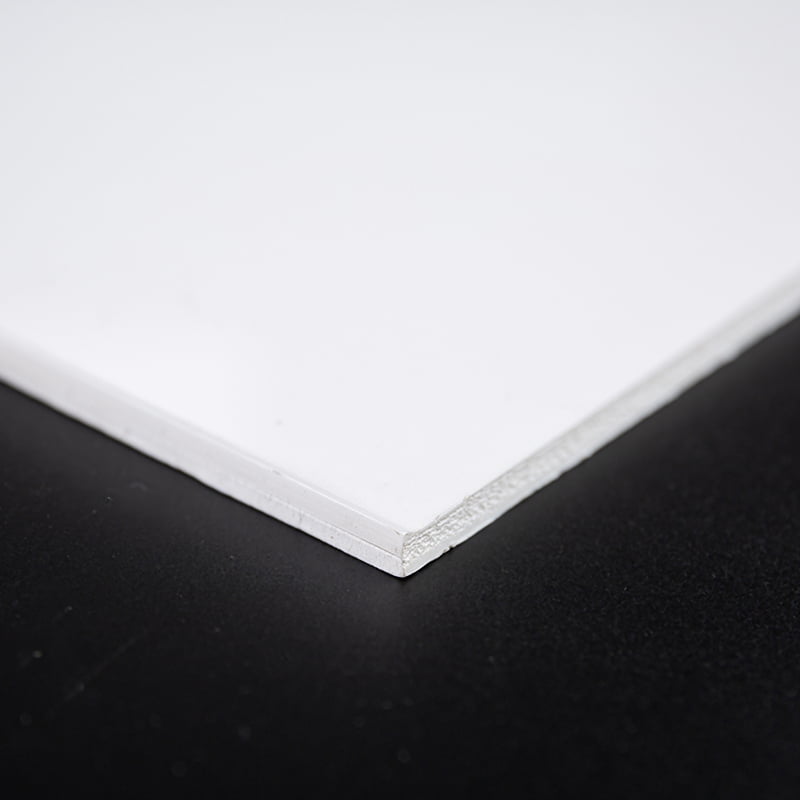
  • PS Sheet Series
    PS Material Introduction: PS is divided into three types: GPPS, HIPS, and EPS. Currently, GPPS and HIPS are mainly produced and used in lighting, electronics, home appliances, and packaging. Production: Styrene monomers are refined from petroleum, then polymerized into polystyrene. Polystyrene is then extruded to form PS sheets. Advantages: 1: Good transparency; GPPS has a light transmittance of 88-92%, close to glass, and good gloss. 2: Easy to process and mold; molding temperature is around 220 degrees Celsius. 3: Good dimensional stability and rigidity; high rigidity, small dimensional changes, water absorption rate <0.1%, does not deform in humid environments. 4: Excellent electrical insulation; volume resistivity 10²⁰Ω·cm, stable high-frequency insulation, suitable for electronic components.
    View More +
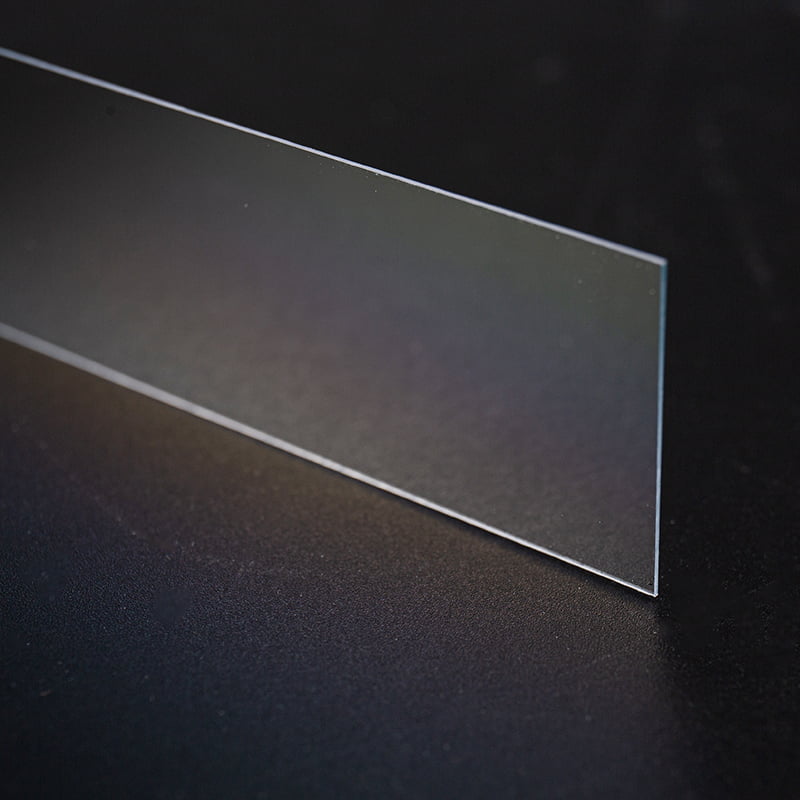
  • PMMA Sheet Series
    PMMA Material Introduction: PMMA, polymethyl methacrylate, commonly known as plexiglass, is a highly transparent, lightweight, easy-to-process, and weather-resistant thermoplastic widely used in construction, advertising, automotive, optics, and medical fields. Production: PMMA production involves two main processes: raw material polymerization (to make sheets) and finished product processing. 1. Sheet Making: There are two main processes: I. Casting Method: a. Batching and mixing b. Molding and sealing 3. Low-temperature prepolymerization 4. High-temperature curing 5. Cooling and demoldingII. Extrusion Method: a. Prepolymer granules b. Melt extrusion c. Calendering and shaping 4. Cutting and laminating 2. Finished Product Processing: a. Cutting b. Trimming and grinding c. Hot bending d. Engraving/drilling e. Polishing f. Bonding and assembly g. Post-processing Advantages:I. Superior Light Transmission: 92% light transmittance, superior to ordinary glass, producing soft light without glare.II. Lightweight and High Strength: Only half the density of glass, 7-18 times more impact-resistant than glass, producing no sharp fragments upon breakage. III. Weather-resistant and durable: Resistant to yellowing and aging with long-term outdoor use; resistant to weak acids and alkalis. IV. Easy to process: Can be cut, drilled, hot-bent, laser-engraved, injection molded, and bonded; easy to dye/print. V. Insulated and safe: Good electrical insulation; non-toxic. Some parts are suitable for medical use.
    View More +
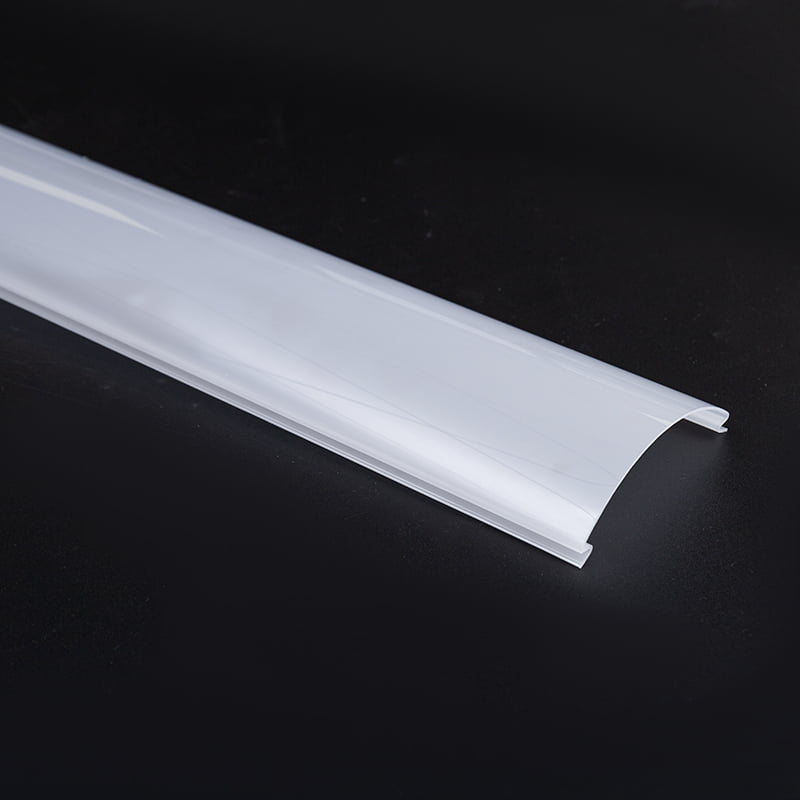
  • PC Sheet Series
    PC Material Introduction: PC, scientifically known as polycarbonate, is a colorless, transparent, strong, and high-temperature resistant thermoplastic engineering plastic. Basic Characteristics:1. Appearance: Transparent, high gloss, high light transmittance2. Feel: Hard, strong, and not easily broken3. Temperature Resistance: Long-term use at -40°C to 120°C4. Flame Retardant: Most models can achieve V0 flame retardant rating5. Density: Much lighter than glass Production: PC Sheet Production Process 1. Melt Extrusion2. Three-roll calendering3. Cooling and Traction4. Trimming/Cutting/Laminating Advantages:1. Continuous and High-Efficiency: Extrusion lines can produce tens of tons per day2. Dimensional Stability: Low molding shrinkage (0.5–0.7%)3. Co-extrusion of Functional Layers: UV coating, abrasion-resistant coating, and color swatches can be formed in one step4. Good Processability: Can be cold-bent, hot-bent, cut, and drilled.
    View More +
  • PP Sheet Series
    PP (polypropylene) is a semi-crystalline thermoplastic, a general-purpose plastic with the lowest density, lowest cost, and balanced overall performance. Its applications cover almost all light industry, home appliances, automobiles, and packaging fields. Characteristics:1. Extremely low density: 0.90–0.91 g/cm³, the lightest among general-purpose plastics, with good strength and rigidity. 2. Excellent chemical resistance: resistant to acids, alkalis, salts, and most organic solvents.Non-absorbent, extremely low water absorption, but not resistant to strong oxidants, aromatics, and chlorinated hydrocarbons. 3. Excellent electrical insulation, good high-frequency performance, suitable for wires and electrical appliances. Production:1. Melting2. Three-roll calendering and shaping3. Cooling and conveying4. Cutting Advantages:1. Inexpensive raw materials, cost far lower than PC, ABS, and PMMA.2. Low processing temperature, saving electricity and reducing equipment wear.3. PP is non-absorbent, eliminating the need for a drying process.4. Good flowability, stable extrusion, and high output.5. Good sheet toughness, not easy to crack, weldable and bendable.6. Resistant to acids and alkalis, corrosion resistant, in high demand in the chemical industry.7. Can be made into food-grade and environmentally friendly sheets.
    View More +
  • ABS Sheet Series
    ABS is an acrylonitrile-butadiene-styrene terpolymer, belonging to general-purpose engineering plastics. Its main characteristics are: high rigidity, strong toughness, glossy surface, easy coloring, and easy processing. It is currently one of the most widely used plastics in household appliances, automobiles, and daily necessities. ABS Characteristics: Acrylonitrile → Rigidity, hardness, chemical resistanceButadiene → Low-temperature toughness, impact resistanceStyrene → Gloss, processability, rigidityGood impact resistance, not easily brittleHigh surface hardness, not easily scratched (much better than PP and PE)Good dimensional stability, low shrinkage, high product precisionHeat distortion temperature approximately 90~110℃Long-term service temperature generally 60~80℃Oil resistant, resistant to weak acids and alkalisHigh surface gloss, excellent for painting, electroplating, printing, and bondingGood flowability, easy to injection mold complex structures Production: 1. Extrusion plasticizing2. Three-roll calendering and shaping3. Cooling and traction4. Edge trimming and length cutting5. Coating, inspection, and stacking Advantages: 1. Extremely strong comprehensive performance: Balanced rigidity, hardness, and toughness, a common feature in general-purpose plastics "All-rounder"2. Good surface texture: High gloss, suitable for appearance parts3. Dimensionally stable: Low shrinkage, not easily deformed, suitable for precision parts4. Easy to process: Electroplating, spraying, screen printing, and bonding are all convenient5. Easy to process: Injection molding, extrusion, and vacuum forming are all possible; mature technology6. Moderate price: Cheaper than PC, slightly more expensive than PP, high cost performance7. Large modification potential: Glass fiber reinforcement, flame retardant, antistatic, heat resistant, etc.
    View More +
  • Vacuum forming products
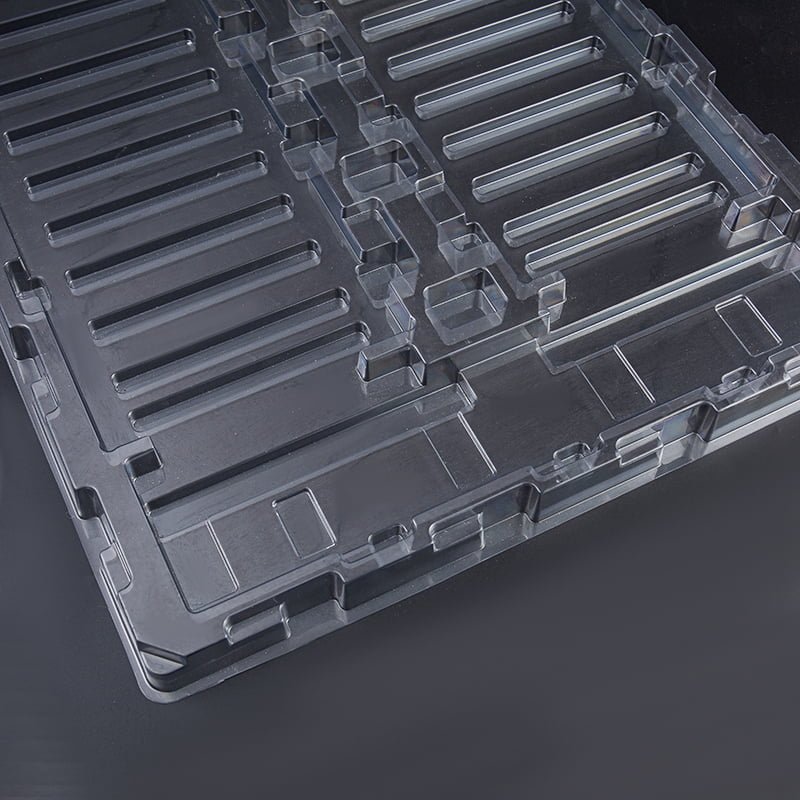
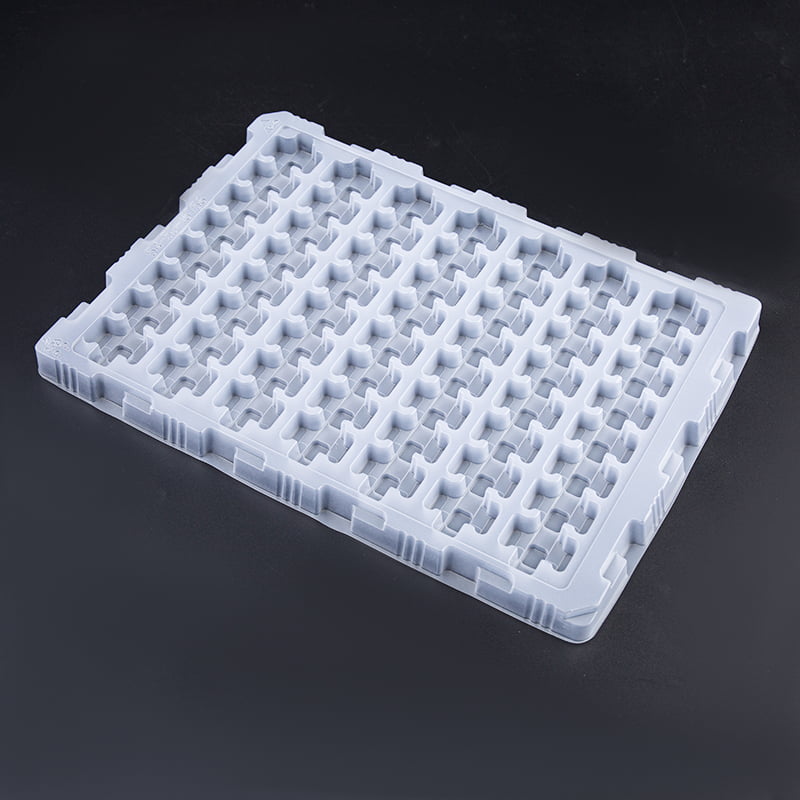
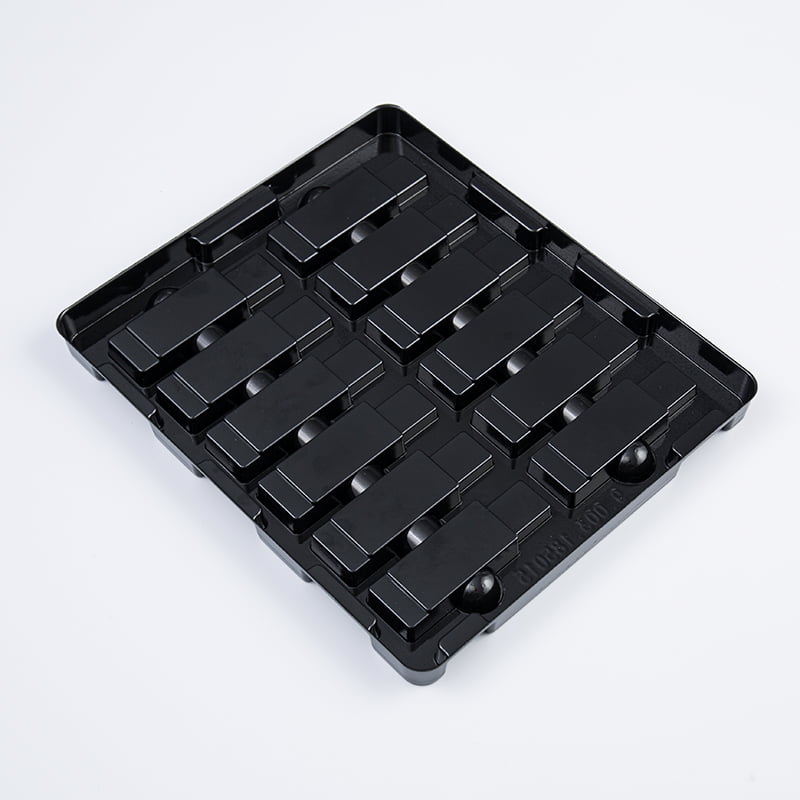
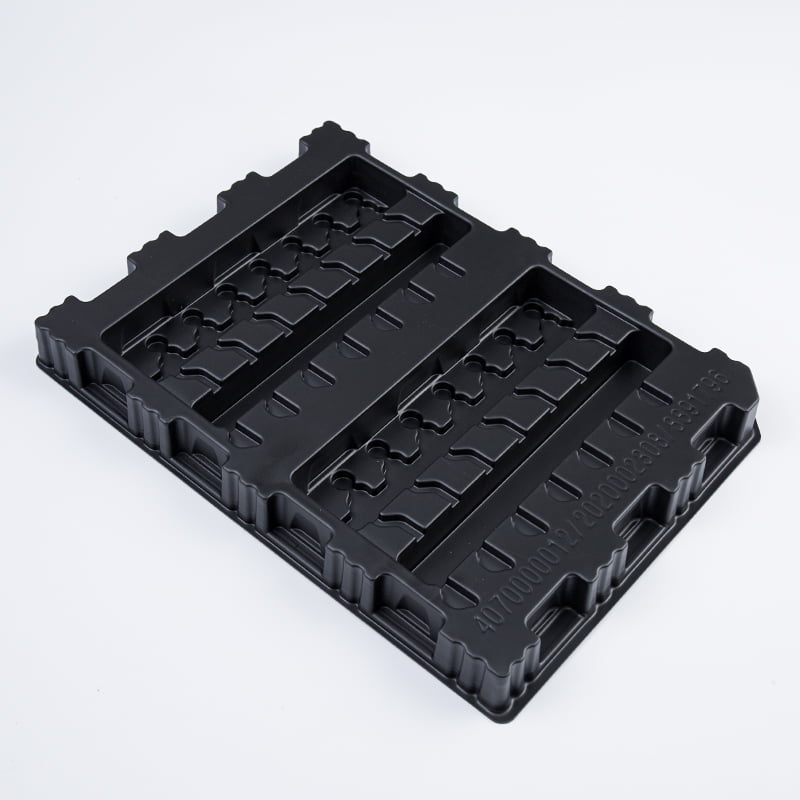
    Blister packaging is a plastic encapsulation product manufactured using a vacuum forming process. It falls under the plastics processing industry, and its main raw materials include PVC, PET, PP, PS, and environmentally friendly materials such as flocking. It is widely used in the electronics, food, and toy industries, and product types include blister packs, trays, and blister boxes. The production process encompasses mold making, heating and softening, vacuum forming, and finishing steps. Commonly used molds include plaster molds, electroplated copper molds, and aluminum molds. This packaging uses vacuum forming to conform to the product's contours, providing shock absorption, product protection, and enhanced display effects, making it suitable for supermarket shelf display needs.
    View More +
PRODUCT CATEGORY
  • PS Sheet Series
  • PMMA Sheet Series
  • PC Sheet Series
  • PP Sheet Series
  • ABS Sheet Series
  • Vacuum forming products
  • Suzhou Gentle Photoelectric Technology Co., Ltd.
    Short Molding Cycle Lightweight And High Strength PS Blow-Molded Sheet
    View More +
  • Suzhou Gentle Photoelectric Technology Co., Ltd.
    Multipurpose Rapid Production PS Decorative Sheet
    View More +
  • Suzhou Gentle Photoelectric Technology Co., Ltd.
    Eye-Protection PS Prism Anti-Glare Sheet For Classroom & Office Lighting
    View More +
  • Suzhou Gentle Photoelectric Technology Co., Ltd.
    Low-Expansion Lightweight Non-Deforming PS Transparent Light Guide Plate
    View More +
  • Suzhou Gentle Photoelectric Technology Co., Ltd.
    Excellent Optical Performance PS Antibacterial Diffusion Sheet
    View More +
  • Suzhou Gentle Photoelectric Technology Co., Ltd.
    Good Flame Retardancy Secure Type PS Flame Retardant Diffusion Sheet
    View More +
  • Suzhou Gentle Photoelectric Technology Co., Ltd.
    Easy to Wipe Clean PS Oil-Resistant Diffusion Sheet
    View More +
  • Suzhou Gentle Photoelectric Technology Co., Ltd.
    Good Durability PS High-Transmittance Diffusion Sheet
    View More +
  • Suzhou Gentle Photoelectric Technology Co., Ltd.
    Double-Sided Frosted Scratch-Resistant PS Diffusion Sheet
    View More +
  • Suzhou Gentle Photoelectric Technology Co., Ltd.
    4–6H Surface-Hardened Wear-Resistant PMMA Hardened Light Guide Plate
    View More +
  • Suzhou Gentle Photoelectric Technology Co., Ltd.
    Anti-Yellowing High-Hardness PMMA Diffuser Sheet for Frameless Panel Lights
    View More +
  • Suzhou Gentle Photoelectric Technology Co., Ltd.
    Flexible Non-Standard-Size PMMA Laser Dotted Light Guide Plate
    View More +
  • Suzhou Gentle Photoelectric Technology Co., Ltd.
    High Stability PMMA Screen Printed Light Guide Plate
    View More +
  • Suzhou Gentle Photoelectric Technology Co., Ltd.
    High-Efficiency High-Concealment Striped PMMA Transparent Striped Light Guide Plate
    View More +
  • Suzhou Gentle Photoelectric Technology Co., Ltd.
    High-Brightness Wide-Application Optical-Grade PMMA Transparent Extruded Light Guide Plate
    View More +
  • Suzhou Gentle Photoelectric Technology Co., Ltd.
    Impact-Resistant Durable Solid Multi-Thickness PC Endurance Sheet
    View More +
  • Suzhou Gentle Photoelectric Technology Co., Ltd.
    Light-Blocking Cost-Effective PC Milky White Sheet For Indoor Partitions
    View More +
  • Suzhou Gentle Photoelectric Technology Co., Ltd.
    Multi-Shape Flame Retardant PC Lampshade for Indoor & Outdoor Fixtures
    View More +
  • Suzhou Gentle Photoelectric Technology Co., Ltd.
    Uniform-Lighting Flame-Retardant Wide-Temperature PC Diffuser Sheet
    View More +
  • Suzhou Gentle Photoelectric Technology Co., Ltd.
    Shatterproof Lightweight Flame-Retardant Optical-Grade PC Transparent Sheet
    View More +
  • Suzhou Gentle Photoelectric Technology Co., Ltd.
    Silk-Printable PC Light Guide Plate for Automotive & Lightboxes
    View More +
  • Suzhou Gentle Photoelectric Technology Co., Ltd.
    Lightweight Flexible Ultrasonically-Bondable PP Diffuser Sheet for Bath Lights
    View More +
  • Suzhou Gentle Photoelectric Technology Co., Ltd.
    Multi-Color Wear-Resistant ABS Color Sheet For Equipment Panels & Housings
    View More +
  • Suzhou Gentle Photoelectric Technology Co., Ltd.
    High-Transparency High-Gloss Shatterproof ABS Transparent Sheet
    View More +
  • Suzhou Gentle Photoelectric Technology Co., Ltd.
    Extra-Long Format Vacuum Forming Products
    View More +
  • Suzhou Gentle Photoelectric Technology Co., Ltd.
    Food-Safe Microwave-Ready Wide-Temperature Lightweight PP Vacuum Forming Products
    View More +
  • Suzhou Gentle Photoelectric Technology Co., Ltd.
    High-Strength Transparent Eco-Friendly Recyclable PET Vacuum Forming Products
    View More +
  • Suzhou Gentle Photoelectric Technology Co., Ltd.
    Flame-Retardant Anti-UV Antistatic Recyclable PS Vacuum Forming Products
    View More +
PRODUCTION
EQUIPMENT
  • Sheet Extrusion
    Molten plastic pellets are passed through rollers for cooling and compression, forming large sheets of varying thicknesses.
  • Slitting
    Large-format sheets are precision-cut into smaller-dimension plates via a cutting machine equipped with industrial blades.
OUR ADVANTAGE
  • Suzhou Gentle Photoelectric Technology Co., Ltd.
    COST ADVANTAGE

    • Large order demand, lower material costs

    • Automated production

    • Stable quality and strong ability to control defects force 

  • Suzhou Gentle Photoelectric Technology Co., Ltd.
    R&D ADVANTAGES

    • Continuous innovation

    • Multiple professional R&D personnel

    • School enterprise cooperation 

  • Suzhou Gentle Photoelectric Technology Co., Ltd.
    CUSTOMER ADVANTAGES

    • High-quality customer resources generate more high-quality collaboration projects.

    • Regular R&D and production technology exchanges with customers for mutual learning.

  • Suzhou Gentle Photoelectric Technology Co., Ltd.
    MANUFACTURING ADVANTAGE

    • Automatic feeding

    • Automatic inspection

    • Automatic stacking

Suzhou Gentle Photoelectric Technology Co., Ltd.
APPLICATIONS
LATEST NEWS
  • 09
    2026-04
    What is PP (Polypropylene)?
    PP (Polypropylene) is a thermoplastic polymer produced by the polymerization of propylene monomers. It is one of the five major general-purpose plastics (along with PE, PVC, PS, and ABS). Key Characteristics: Lightweight: Density of 0.89–0.91 g/cm³, making it the lightest among commodity plastics Heat resistant: Melting point of 160–170°C; can withstand boiling water and high-temperature sterilization Chemical resistance: Resistant to acids, alkalis, and most organic solvents, but vulnerable to concentrated sulfuric and nitric acids Mechanical properties: Good rigidity and excellent flexural endurance (often called the "hinge plastic" because it can be bent repeatedly without breaking) Electrical insulation: Excellent Disadvantages: Becomes brittle at low temperatures, poor aging resistance (requires antioxidants), and difficult to print on Typical Applications: Food containers (microwave-safe lunch boxes, yogurt cups, disposable takeout containers) Medical devices (syringes, IV bottles) Automotive parts (bumpers, interior trim) Home appliances (washing machine drums, fan blades) Woven bags and non-woven fabrics (masks, shopping bags) Recycling Symbol: Code 5 (a triangle with the number 5 inside, with PP printed below). Safety: Food-grade PP is recognized as a safe plastic. It can withstand temperatures up to approximately 120°C and is microwave-safe (though note that some PP lids may be made of different materials). When burned, it produces a yellow flame with a blue base, smells like paraffin (candle wax), and drips like candle wax.
  • 09
    2026-04
    What is PS Material?
    Simply put, PS material (Polystyrene) is a thermoplastic polymer made by polymerizing styrene monomers. You can think of it as a plastic that is as transparent as glass, but lighter in weight and less likely to break. It is very common in daily life — for example, disposable cups, transparent cake boxes, and appliance housings. Below are its key characteristics. 1. Two Most Common Types Type Characteristics Like... Common Examples GPPS (General Purpose Polystyrene) Transparent, hard, but very brittle — easily cracks or breaks Glass or hard ice Transparent CD cases, disposable clear cups, laboratory test tube racks HIPS (High Impact Polystyrene) White or colored, tough, impact-resistant Rigid plastic White air conditioner housings, TV back covers, toys, clothes hangers Note: EPS (Expanded Polystyrene) is also part of the PS family — it's the white foam material (e.g., protective foam in appliance packaging, disposable foam lunch boxes). 2. Key Advantages and Disadvantages Advantages: High transparency (GPPS) — clarity acrylic (PMMA). Good rigidity — hard and not easily deformed. Easy to process — can be injection molded, extruded, thermoformed. Low cost — cheaper than PC or acrylic. Disadvantages: Not heat-resistant — softens above 75°C (167°F), so not suitable for boiling water. Poor outdoor durability — yellows and becomes brittle with prolonged sun exposure. Brittleness (GPPS) — like glass, cracks upon impact. 3. How to Identify PS Material? Recycling symbol: Look for the number 6 inside the triangular recycling symbol. Sound: Tapping a thin-walled PS product produces a crisp, metallic-like sound. Feel: It is relatively hard — not easy to leave a fingernail mark like on PP (polypropylene). 4. Safety and Environmental Impact Food contact: Food-grade PS is safe for food packaging (e.g., yogurt cups, instant noodle bowls). However, it is not recommended for hot, oily foods (e.g., freshly fried fries), as high temperatures may cause trace amounts of styrene monomer to migrate. Environmental impact: PS is technically recyclable, but EPS (foam) is often landfilled because it is bulky and expensive to recycle. It is not biodegradable.
  • 09
    2026-04
    What is PC Material?
    PC material (Polycarbonate) is an exceptionally high-performance engineering thermoplastic. You can think of it as a transparent material that is lighter than glass, stronger than ordinary plastics, and extremely tough. The key difference between PC and PS or PMMA is that PC has extremely high impact strength and is commonly used in "bulletproof glass." 1. Key Advantages Extremely High Impact Resistance – This is PC's most famous property. Its impact strength is 30–40 times that of PMMA (acrylic) and over 200 times that of ordinary glass. It is very tough and typically deforms rather than shatters under strong impact. Examples: Bulletproof glass, transparent riot shields for police, visors for safety helmets. Excellent Light Transmittance – Though not as high as PMMA (92%), PC still achieves 88–90% light transmission, making it clear enough for optical lenses. Outstanding Heat Resistance – PC maintains its performance over a long-term temperature range of -40°C to 120°C. Its heat deflection temperature reaches 130–140°C, far higher than PS (~75°C) and PMMA (~95°C). Examples: Microwaveable plastic food containers, kettle housings, baby bottles. Good Dimensional Stability – PC does not deform easily under stress or temperature changes, offering high dimensional precision. 2. Main Disadvantages & Precautions Poor Scratch Resistance – PC has low surface hardness and scratches very easily. Many PC products (e.g., eyeglass lenses, phone screen protectors) are coated with a hard coating to improve abrasion resistance. Poor Chemical Resistance – PC is easily attacked by certain organic solvents (e.g., gasoline, alcohol, cleaning agents), leading to surface cracking or "stress cracking." Special care is needed during use and cleaning. Higher Cost – As an engineering plastic, PC is more expensive than commodity plastics like PS, PMMA, and PP. BPA (Bisphenol A) Concerns – This is the most notable safety issue with PC material. BPA is used in PC synthesis. Under high heat or prolonged use, trace amounts of BPA may leach out. BPA is an endocrine disruptor that may affect infant development. As a result, many baby bottles are no longer made from PC and instead use safer materials like PPSU or PP. However, adult-grade water bottles are generally considered safe. 3. Quick Comparison: PC vs. PMMA vs. PS Property PC (Polycarbonate) PMMA (Acrylic) PS (Polystyrene) Impact Resistance Extremely high (bulletproof level) Medium-high (stronger than glass) Low (brittle) Light Transmittance 88–90% (transparent) Highest (92%) 88–90% (transparent) Heat Resistance Best (~130°C) Medium (~95°C) Poor (~75°C) Surface Hardness Soft, scratches very easily Soft, scratches easily Harder, resists scratching Cost High Medium Low Typical Applications Bulletproof glass, helmets, baby bottles, CDs Signage, aquariums, eyeglass lenses Disposable cups, CD cases, appliance housings Safety Concern BPA (Bisphenol A) None Styrene monomer 4. How to Identify PC Material? Recycling Symbol: Look for the number 7 (Other) inside the triangular recycling symbol, which often indicates PC or other mixed plastics. Sound: Tapping a PC product produces a dull, solid sound, unlike the crisp sound of PS. Labeling: Many PC water bottles or food containers are marked "BPA Free," a common label for PC and its alternatives.
  • 09
    2026-04
    What is PMMA material?
    PMMA stands for Poly(methyl methacrylate). It is a transparent thermoplastic commonly known by brand names such as acrylic or Plexiglas, and is often referred to as "organic glass." While PS (polystyrene) is also a clear plastic, PMMA is generally considered a higher-performance material and is frequently used as a lightweight, shatter-resistant alternative to glass. Key Characteristics Excellent Transparency – PMMA transmits up to 92% of visible light, even more than standard glass. Impact Resistant – Its impact resistance is 7 to 18 times higher than ordinary glass. Lightweight – Its density is about 1.15–1.19 g/cm³, roughly half the weight of glass. Easy to Process – Can be easily machined (cut, drilled) and thermoformed.   At a Glance Property Value Visible Light Transmission Up to 92% Density 1.17–1.20 g/cm³ Impact Resistance (vs. glass) 7–18x stronger Max Continuous Service Temp 65–95°C (149–203°F) Surface Hardness Low (scratches easily) Limitations Heat sensitive – Softens around 100°C (212°F); not for cookware. Flammable – Burns readily. Scratches easily – Often requires a protective coating. Common Applications Optics (eyeglass lenses, camera lenses) Electronics (LCD screens, light guide panels) Construction (aquariums, skylights) Automotive (rear lights, instrument clusters) Medical (incubators, dental prosthetics) PMMA vs. PS Property PMMA (Acrylic) PS (Polystyrene) Clarity Superior (92%) Good (88–90%) Impact Strength High Low (brittle) Weather Resistance Excellent Poor (yellows outdoors) Typical Use Aquariums, lenses, signage Disposable cups, CD cases