 English
 Español

Gentle
Gentle
Gentle
Gentle
Gentle
Gentle
Gentle
Gentle
Gentle
Content
- 1 What Acrylic Extrusion Is and How the Line Works
- 2 Extruded Acrylic vs. Cast Acrylic: Key Differences
- 3 The Invisible Specifications That Decide Success
- 4 Where Extruded Acrylic Is Used: Application Mix
- 5 A Practical Selection Guide for Buying Extruded Acrylic
- 6 Maintenance and Compliance Considerations
Most acrylic sheet used in LED panel lights, diffusers, sign boxes, and backlit displays is not cast in molds; it is melted and forced through a heated die in a continuous extrusion line. A fixture designer working on a 595 × 595 mm panel light normally needs a diffuser or light guide between 1.5 mm and 3.0 mm thick, with a thickness tolerance of roughly ±0.1 mm across the full sheet. Acrylic extrusion delivers that repeatability at line speeds and unit costs that casting cannot match.
Before comparing quotes, it helps to understand what the process involves and which properties decide whether a sheet will work in your fixture. This guide covers the basics, the trade-offs against cast acrylic, and the specifications that separate usable optical sheet from a production headache.
Bottom line: Acrylic extrusion is the continuous melt-processing of PMMA resin into sheet, film, tube, or profile. In optical lighting components, it wins on thickness consistency, optical uniformity, and lifecycle cost whenever volume justifies a dedicated line.
What Acrylic Extrusion Is and How the Line Works
Acrylic sheet extrusion starts with PMMA resin pellets — the material family explained in our guide to what PMMA is and how it behaves. The pellets are dried to a very low moisture level, melted inside a screw barrel at roughly 220–250°C, filtered, and pushed through a flat die. The molten film then passes through a polishing stack, which calibrates thickness and surface gloss, and is cooled until it holds its shape.
The extrusion line in five stages
- Drying: Moisture is removed to below 0.05% to prevent bubbles and haze in the melt.
- Melting and filtration: A single-screw extruder melts the resin; a screen pack and gear pump remove contaminants and stabilize output pressure.
- Die and roll stack: A coat-hanger die spreads the melt evenly; polished rolls set final thickness, flatness, and optical surface quality.
- Online gauging: Continuous thickness measurement feeds back to the die lip, holding tolerance across the full web width.
- Cutting and protection: The cooled sheet is dusted, covered with protective film, and cut to length or wound into coils.
What makes a sheet "optical-grade"
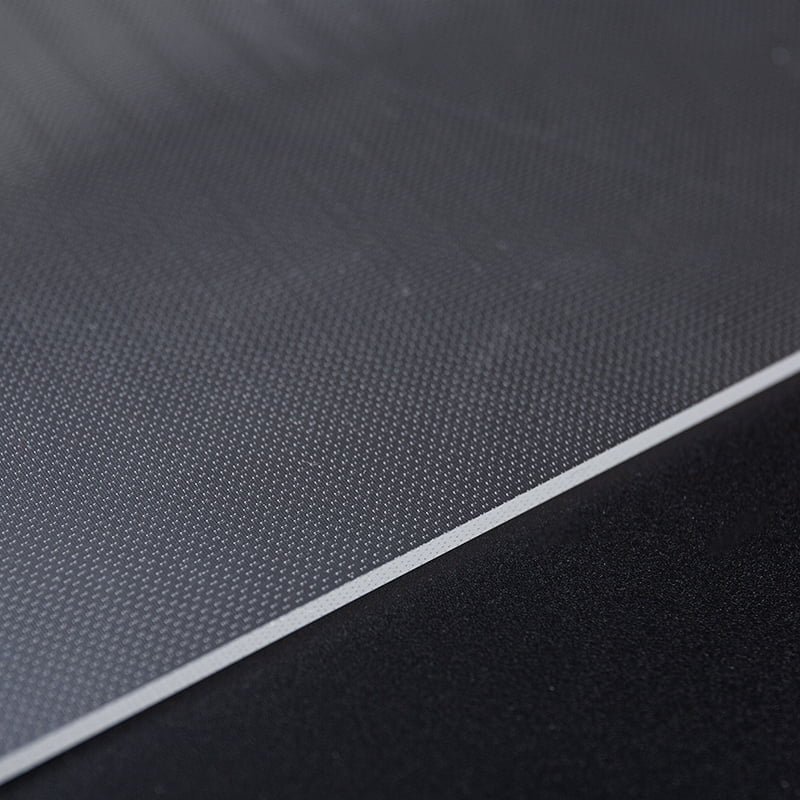
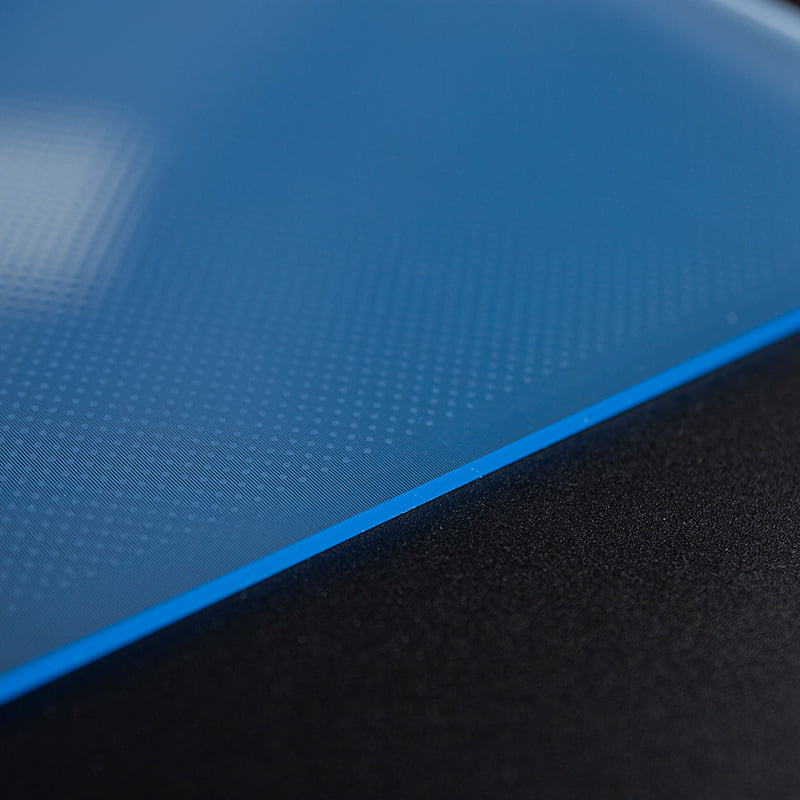
Optical grade means the sheet is produced and checked against defined optical targets, not just dimensional ones. For a clear light guide, transmittance should reach 92% or more at 2–3 mm thickness, haze should stay under 1%, and the surface should be free of die lines and fish-eyes. In practice, the most reliable evidence is the supplier's written tolerance list and in-line inspection records, not the glossy datasheet. If you are sourcing this kind of part, an optical-grade extruded PMMA light guide plate is the typical starting point for edge-lit modules.
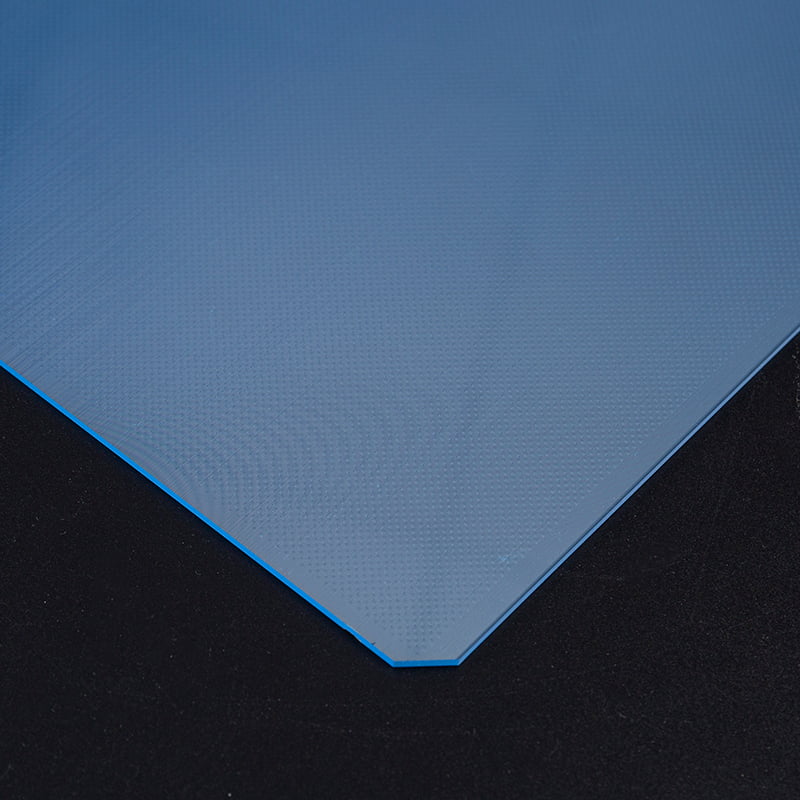 High-Brightness Wide-Application Optical-Grade PMMA Transparent Extruded Light GGentle is High-Brightness Wide-Application Optical-Grade PMMA Transparent Extruded Light Guide Plate Suppliers and Manufacturers, Wholesa...View Product →
Extruded Acrylic vs. Cast Acrylic: Key Differences
Both processes produce PMMA sheet, but they are built for different jobs. Extrusion is continuous and factory-calibrated; casting is batch-based and slower. The comparison below summarizes what changes when you switch from cast to extruded acrylic — or the reverse.
Typical trade-offs between extruded and cast acrylic; actual values depend on resin grade and line settings.
When to choose extruded acrylic
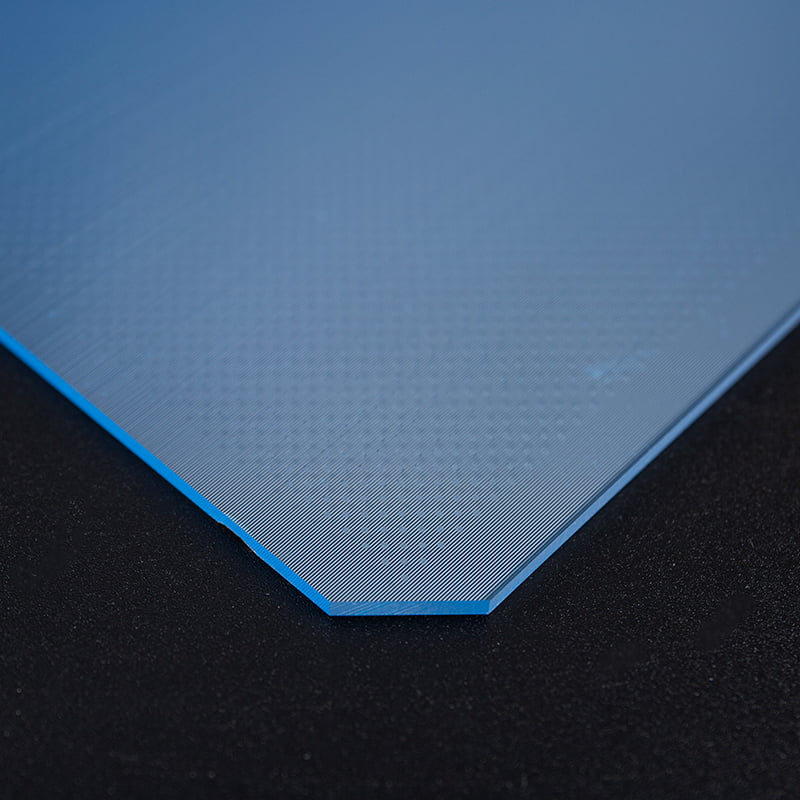
If your part is a 1.5–6 mm sheet with tight dimensional demands — luminaire diffusers, edge-lit light guides, glare-control prism panels — extrusion gives you consistency and price leverage at scale. For comparison, PS sheet grades share the same extrusion hardware but trade optical clarity for easier forming and lower cost.
When to stay with cast acrylic
If you need a 25 mm block, chemically polished edges, or deeply sculpted letters, cast acrylic remains the safer choice. The higher resin cost and slower cycle are justified when the final product is thick, heavily machined, or expected to survive decades of outdoor exposure.
The Invisible Specifications That Decide Success
Short-run buyers often compare price and surface gloss, then discover later that warpage, haze drift, or yellowing causes field failures. Five specifications deserve more attention than they usually get.
Thickness profile
Transmittance
Haze control
Yellowing resistance
Flatness
Typical target thresholds for optical-grade extruded PMMA, normalized for readability: thickness profile ±5%, transmittance ≥92%, haze ≤1%, yellowing index drift ≤1.5 after aging, flatness ≤1.5 mm/m.
Where Extruded Acrylic Is Used: Application Mix
Extruded acrylic is the workhorse of diffuser optics and thin glazing. The distribution below reflects typical demand patterns across the segments where sheet suppliers sell the most volume.
- LED and general lighting: 46%
- Signage and backlit displays: 24%
- Construction and interior panels: 15%
- Automotive light boxes: 9%
- Household appliances and other: 6%
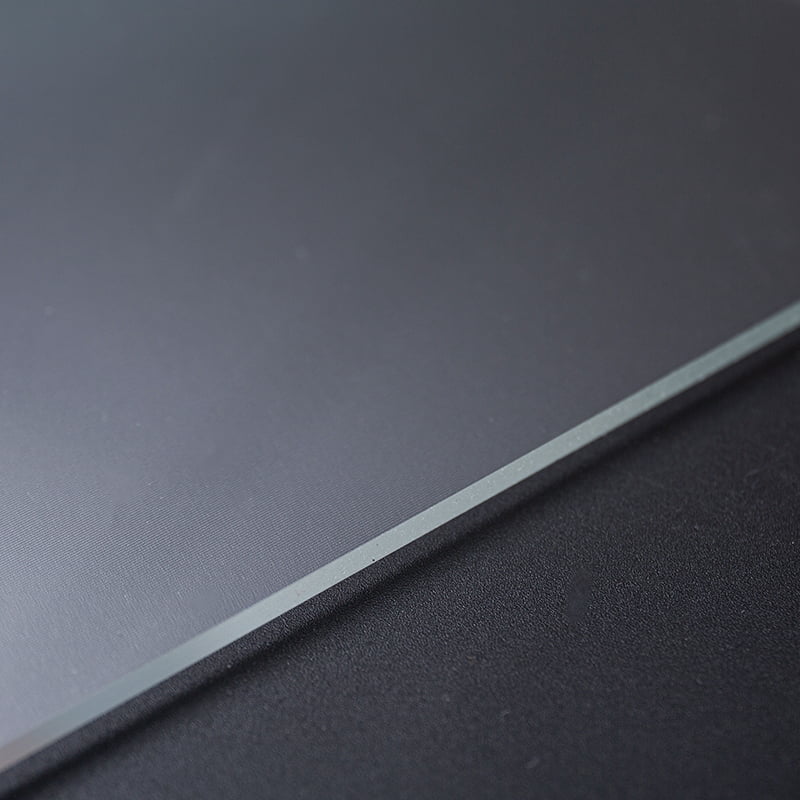
In LED lighting, a typical bill of materials includes a diffuser or prism sheet in front of the LED array plus an optional light guide in edge-lit layouts. An anti-yellowing high-hardness PMMA diffuser sheet is a common choice for frameless panel lights because it keeps gloss and color after years of UV exposure. For a closer look at material behavior in optical stacks, read the guide to opal and prismatic diffuser panels for LED lighting.
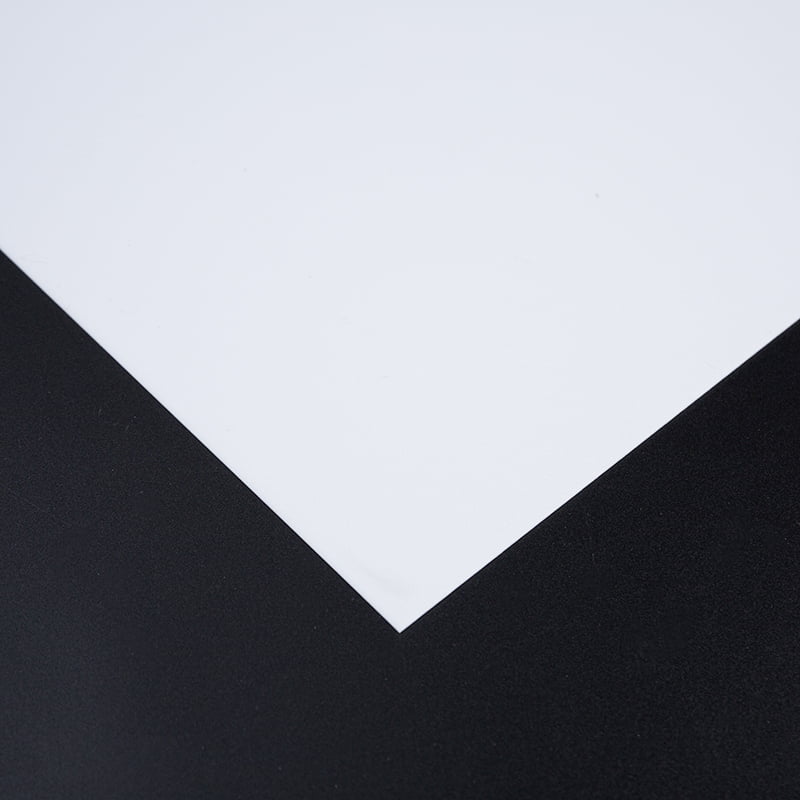 Anti-Yellowing High-Hardness PMMA Diffuser Sheet for Frameless Panel Lights ManuGentle is Anti-Yellowing High-Hardness PMMA Diffuser Sheet for Frameless Panel Lights Suppliers and Manufacturers, Wholesale Anti-Yellowi...View Product →
A Practical Selection Guide for Buying Extruded Acrylic
Treat the purchase like an engineering decision, not a commodity quote. These five steps form a reliable filtering process.
1
Define optical targets
Decide transmittance, haze, and diffusion angle before requesting samples. State the light-source type and viewing angle; a diffuser optimized for COB arrays is rarely right for edge-lit strips.
2
Check dimensional tolerances
Confirm thickness across the sheet width, cut-length tolerance around ±0.5 mm, and edge finish. Uniform thickness matters more than average thickness when you build a multi-piece light engine.
3
Verify durability
For outdoor or high-heat fixtures, review yellowing index after UV aging, scratch resistance, and impact behavior at low temperature. Ask for aging data, not just a one-cycle sample result.
4
Plan secondary processing
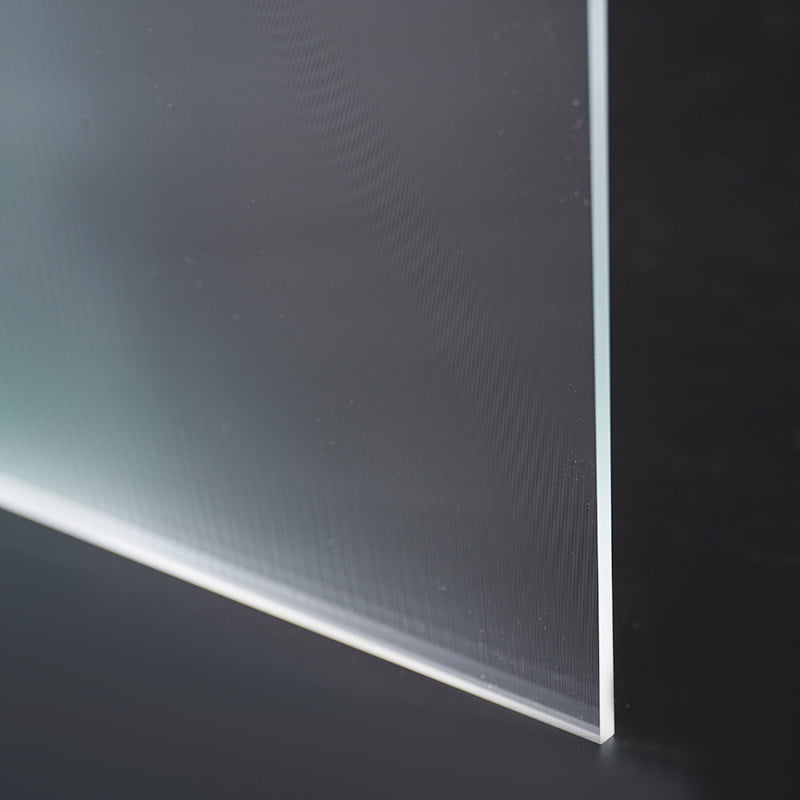
Confirm the sheet accepts laser dotting, screen printing, CNC routing, or hardening without delamination or stress cracking. A 4–6H surface-hardened light guide plate is worth specifying when assembly handling tends to scratch soft acrylic.
 4–6H Surface-Hardened Wear-Resistant PMMA Hardened Light Guide Plate ManufactureGentle is 4–6H Surface-Hardened Wear-Resistant PMMA Hardened Light Guide Plate Suppliers and Manufacturers, Wholesale 4–6H Surface-Harden...View Product →
5
Audit compliance and capacity
Ask for ISO9001 line certifications, material-level RoHS and REACH declarations, and evidence of consistent output such as SPC data. Then confirm lead times for both standard sizes and custom batches.
Maintenance and Compliance Considerations
Storage and handling have a disproportionate effect on appearance. Extruded PMMA sheets ship with a protective film; keep it in place until the last manufacturing step. Store sheets flat on a clean pallet, avoid stacking weights above the supplier's recommendation, and leave the film on if the material will wait more than a few weeks.
Cutting and cleaning also require discipline. Carbide-tipped tools with sharp geometry reduce chipping, and gentle cooling prevents stress lines. Clean the surface with water or a mild detergent on a soft cloth. Avoid acetone, gasoline, or other aromatic solvents — they craze the surface and permanently dull the optics.
On the compliance side, confirm the resin lot's RoHS and REACH statements. If the component sits inside a luminaire, ask whether the sheet grade meets the flame-retardant performance your enclosure requires, typically UL94 HB or V-class depending on the fixture. A stable manufacturer will share its quality plan, inspection records, and corrective-action documents.
Acrylic extrusion is not a one-material-fits-all answer, but for most thin optical sheets it is the right economic and technical choice. If your team is evaluating a new panel light, light-box, or display application, start with the optical targets and dimensional tolerance; those two decisions will narrow the list of capable suppliers faster than any other criteria.