 English
 Español

Gentle
Gentle
Gentle
Gentle
Gentle
Gentle
Gentle
Gentle
Gentle
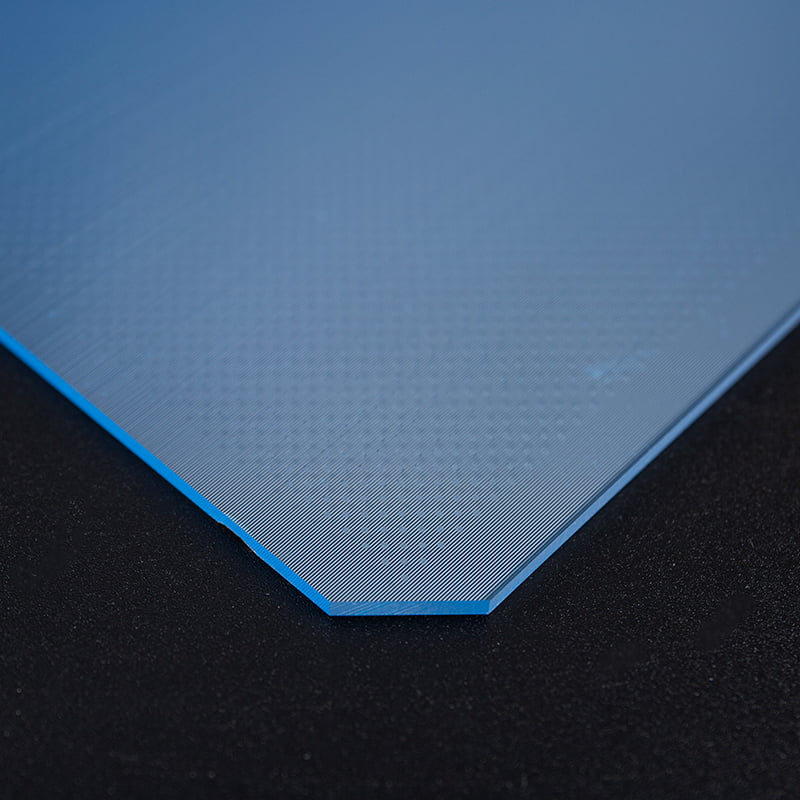
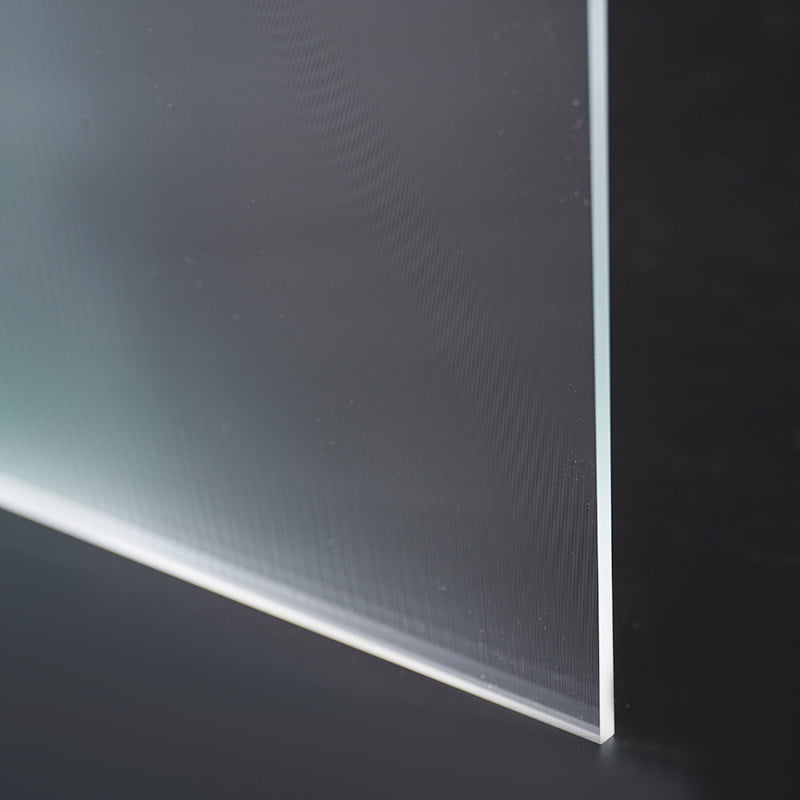
PMMA stands for Poly(methyl methacrylate). It is a transparent thermoplastic commonly known by brand names such as acrylic or Plexiglas, and is often referred to as "organic glass."
While PS (polystyrene) is also a clear plastic, PMMA is generally considered a higher-performance material and is frequently used as a lightweight, shatter-resistant alternative to glass.
Key Characteristics
-
Excellent Transparency – PMMA transmits up to 92% of visible light, even more than standard glass.
-
Impact Resistant – Its impact resistance is 7 to 18 times higher than ordinary glass.
-
Lightweight – Its density is about 1.15–1.19 g/cm³, roughly half the weight of glass.
-
Easy to Process – Can be easily machined (cut, drilled) and thermoformed.
At a Glance
| Property | Value |
| Visible Light Transmission | Up to 92% |
| Density | 1.17–1.20 g/cm³ |
| Impact Resistance (vs. glass) | 7–18x stronger |
| Max Continuous Service Temp | 65–95°C (149–203°F) |
| Surface Hardness | Low (scratches easily) |
Limitations
-
Heat sensitive – Softens around 100°C (212°F); not for cookware.
-
Flammable – Burns readily.
-
Scratches easily – Often requires a protective coating.
Common Applications
-
Optics (eyeglass lenses, camera lenses)
-
Electronics (LCD screens, light guide panels)
-
Construction (aquariums, skylights)
-
Automotive (rear lights, instrument clusters)
-
Medical (incubators, dental prosthetics)
PMMA vs. PS
| Property | PMMA (Acrylic) | PS (Polystyrene) |
| Clarity | Superior (92%) | Good (88–90%) |
| Impact Strength | High | Low (brittle) |
| Weather Resistance | Excellent | Poor (yellows outdoors) |
| Typical Use | Aquariums, lenses, signage | Disposable cups, CD cases |