 English
 Español

Gentle
Gentle
Gentle
Gentle
Gentle
Gentle
Gentle
Gentle
Gentle
Content
The Versatility and Superiority of Acrylic Solutions
The PMMA sheet series, commonly known as acrylic or Plexiglas, stands as a premier material choice for industries requiring high optical clarity, weather resistance, and design flexibility. Unlike glass, which is heavy and fragile, PMMA (Polymethyl Methacrylate) offers a lightweight alternative that is up to 17 times more impact-resistant. This material family is not monolithic; it comprises various grades and manufacturing methods tailored to specific engineering and aesthetic needs, from standard clear sheets to specialized colored, textured, and mirrored variants.
Understanding the nuances within the PMMA sheet series is crucial for architects, fabricators, and designers. The right selection ensures longevity in outdoor signage, safety in protective barriers, and precision in light-guiding applications. By leveraging the distinct properties of different PMMA types, professionals can achieve superior performance while maintaining cost-efficiency and visual appeal.
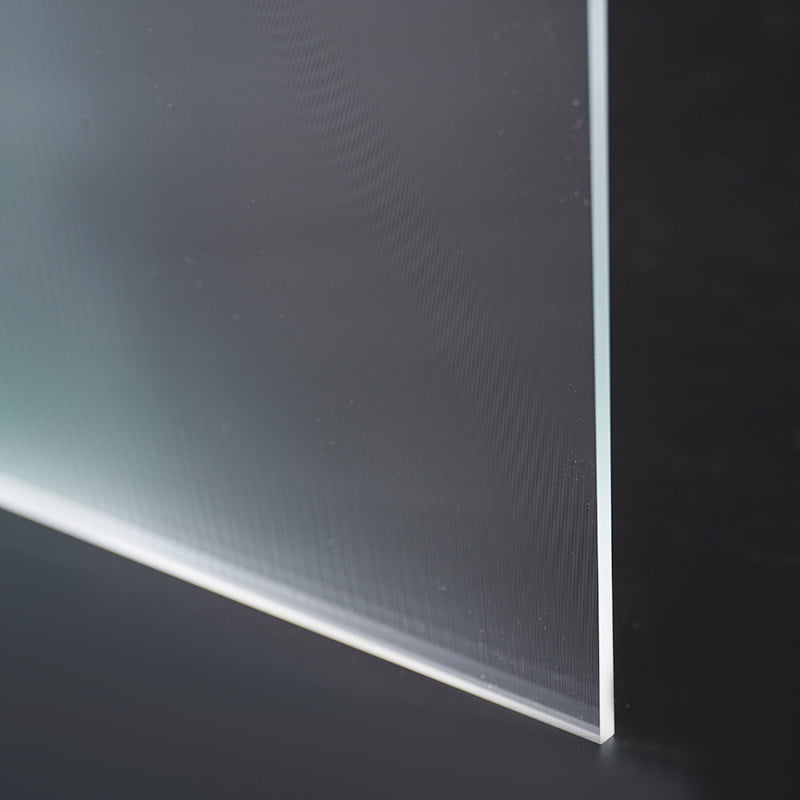
Manufacturing Methods: Cast vs. Extruded PMMA
The two primary production methods for PMMA sheets are cell casting and continuous extrusion. Each method imparts unique physical characteristics that dictate the sheet's suitability for specific applications.
Cell Cast Acrylic
Cell cast PMMA is produced by pouring liquid methyl methacrylate monomer between two glass plates and curing it in an oven. This process results in a sheet with superior molecular weight, leading to higher chemical resistance and better thermal stability. Cast acrylic is ideal for thermoforming applications because it softens more evenly and allows for deeper draws without cracking. It is the preferred choice for high-end signage, bathtubs, and complex architectural features where surface hardness and clarity are paramount.
Extruded Acrylic
Extruded PMMA is manufactured by pushing melted acrylic pellets through a die. This continuous process allows for tighter thickness tolerances and lower production costs. While extruded sheets have slightly lower chemical resistance and may be more prone to crazing under stress compared to cast sheets, they are excellent for laser cutting, engraving, and flat fabrication. The consistency in thickness makes them ideal for large-scale projects like window glazing and standard display cases.
| Property | Cell Cast PMMA | Extruded PMMA |
|---|---|---|
| Thickness Tolerance | ±10% | ±5% (Tighter) |
| Chemical Resistance | High | Moderate |
| Thermoforming | Excellent | Good |
| Cost | Higher | Lower |
Key Physical and Optical Properties
The widespread adoption of the PMMA sheet series is driven by its exceptional physical properties. Understanding these metrics helps in selecting the right grade for structural and visual requirements.
- Light Transmission: Clear PMMA sheets transmit up to 92% of visible light, surpassing standard glass which typically transmits around 80-85%. This makes it ideal for skylights, museum displays, and optical lenses.
- UV Stability: High-quality PMMA sheets are co-extruded with UV-absorbing layers, preventing yellowing and degradation for over 10 years in outdoor conditions. This is critical for automotive tail lights and exterior architectural glazing.
- Weight: With a density of approximately 1.18 g/cm³, PMMA is half the weight of glass. This reduces structural support requirements in construction and lowers shipping costs for fabricated parts.
- Weatherability: PMMA maintains its mechanical properties and clarity across a wide temperature range, from -40°C to 80°C, making it suitable for diverse climatic zones.
Applications Across Industries
The versatility of the PMMA sheet series allows it to serve a multitude of sectors. Its adaptability to cutting, bending, and bonding enables custom solutions for both functional and decorative purposes.
Architecture and Construction
In architecture, PMMA is used for sound barriers along highways, safety glazing in schools, and decorative facades. Its ability to be molded into curved shapes allows for innovative roof designs and skylights that maximize natural light while minimizing heat gain. Colored and translucent sheets are often used to create dynamic lighting effects in building interiors.
Signage and Display
The retail and advertising industries rely heavily on PMMA for point-of-purchase displays, lightboxes, and channel letters. The material’s ease of fabrication via CNC routing and laser cutting allows for intricate designs. Furthermore, its compatibility with LED lighting systems ensures bright, uniform illumination for night-time visibility.
Medical and Sanitary
Due to its biocompatibility and ease of sterilization, PMMA is used in medical devices, incubators, and sanitary ware. Bathtubs and shower trays made from cast acrylic are prized for their warm touch, durability, and gloss retention. In laboratories, PMMA shields provide protection against splashes while maintaining clear visibility.
Fabrication and Maintenance Best Practices
To maximize the lifespan and appearance of PMMA sheets, proper handling and maintenance are essential. While durable, acrylic is softer than glass and can scratch if not cared for correctly.
- Cleaning: Use only mild soap solutions and soft microfiber cloths. Avoid ammonia-based cleaners (like window cleaners) as they can cause micro-cracking and cloudiness over time.
- Scratch Removal: Minor scratches can be polished out using specialized acrylic polishing compounds and a buffing wheel. Deep scratches may require sanding with progressively finer grits before polishing.
- Static Control: PMMA is prone to static buildup, which attracts dust. Anti-static sprays or cloths can be used during fabrication and installation to keep surfaces clean.
- Storage: Store sheets horizontally on flat, clean pallets to prevent warping. Keep protective masking film on until final installation to avoid surface damage during handling.
By adhering to these guidelines, users can ensure that their PMMA installations remain clear, impactful, and structurally sound for years. The PMMA sheet series continues to evolve with new formulations offering enhanced impact resistance and sustainability, reinforcing its position as a leading material in modern design and engineering.