 English
 Español

Gentle
Gentle
Gentle
Gentle
Gentle
Gentle
Gentle
Gentle
Gentle
Content
What Is Acrylic Sheet
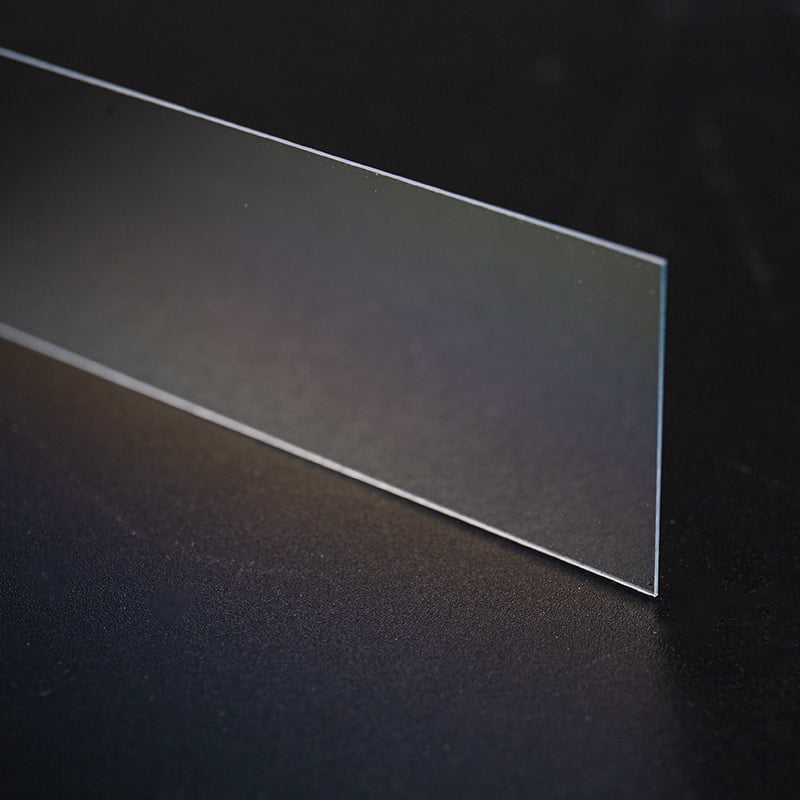
Acrylic sheet is a rigid plastic made from polymerized methyl methacrylate, better known by trade names like Plexiglas, Lucite, or Perspex. It is prized for its glass-like clarity, light weight, and resistance to shattering, which is why it shows up in everything from retail signage to protective barriers and furniture.
Unlike glass, acrylic can be cut, drilled, and thermoformed with standard shop tools, making it a practical substitute wherever transparency and durability both matter. Its strength-to-weight ratio is one of the main reasons fabricators reach for it over traditional glazing.
Cast vs. Extruded Acrylic Sheet
Every acrylic sheet on the market is produced one of two ways, and the method used affects how the material performs once it leaves the factory.
| Property | Cast Acrylic | Extruded Acrylic |
|---|---|---|
| Production method | Liquid monomer poured between glass plates | Molten resin pushed through rollers |
| Optical clarity | Higher | Slightly lower |
| Thickness consistency | More variable (up to 10%) | Very tight tolerance |
| Machinability | Cuts and laser-engraves cleanly | Softer, bonds easily, glues well |
| Typical cost | Higher | Lower |
Cast sheet tends to be the better choice for signage and display work where surface quality is visible up close. Extruded sheet is often more economical for large glazing runs or projects where consistent thickness matters more than optical perfection.
Choosing the Right Thickness and Size
Thickness has a direct effect on rigidity, weight, and price, so it pays to match it to the job rather than defaulting to whatever is in stock. Thin gauges around 1/16 to 1/8 inch suit picture framing and small signage, while 1/4 inch is a common middle ground for cabinet doors, shelving, and light structural panels.
- 1/16"–1/8": lightweight glazing, frames, small craft projects
- 3/16"–1/4": cabinet inserts, sneeze guards, retail displays
- 3/8"–1/2": furniture tops, larger partitions, aquarium panels
- 3/4" and above: structural or load-bearing applications
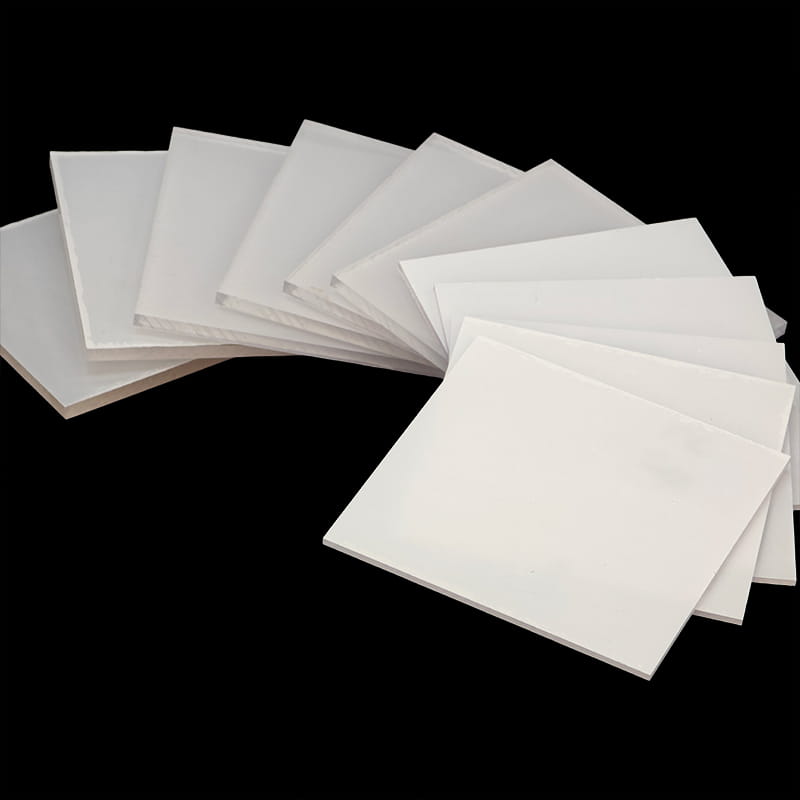
Standard full sheets typically run 48 by 96 inches, though many suppliers also offer 24 by 48 inch and custom cut-to-size options. Ordering slightly oversized and trimming on site is often cheaper than requesting an unusual custom dimension.
Common Types and Finishes
Beyond standard clear sheet, acrylic comes in variations built for specific problems. Colored and fluorescent sheets suit branded signage, while mirrored acrylic offers a lightweight, shatter-resistant alternative to glass mirrors in high-traffic areas.
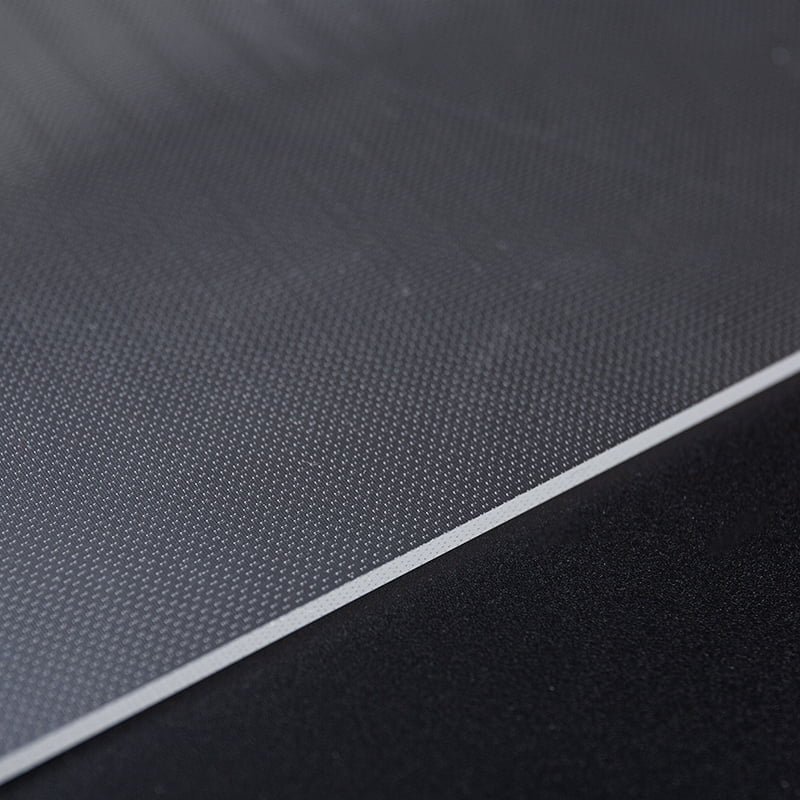
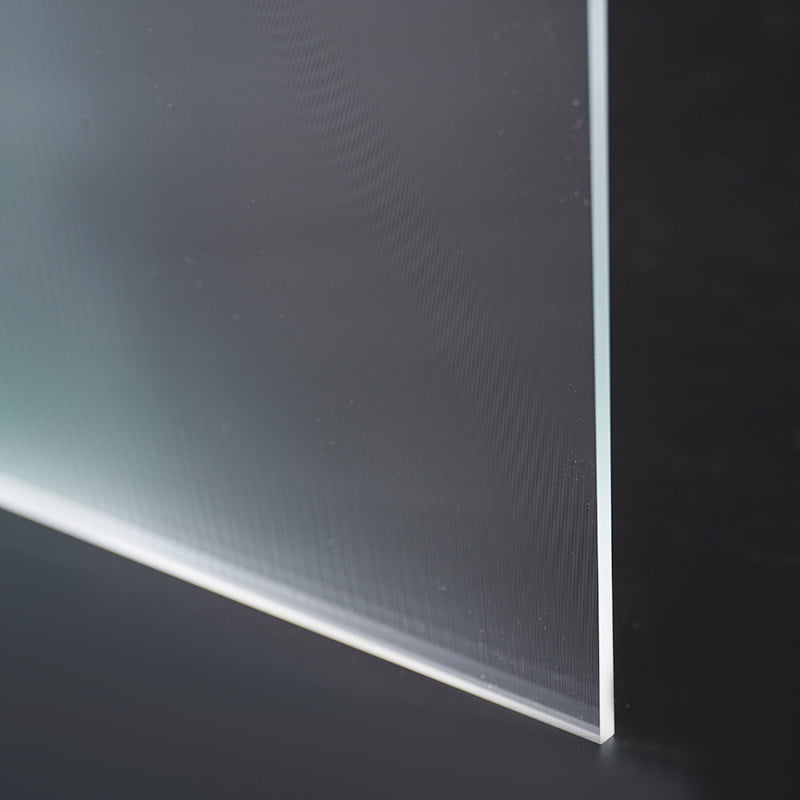
Non-glare or matte finishes reduce reflections in framing and display cases, and anti-static grades are worth considering around sensitive electronics, where a standard sheet's static charge could attract dust or interfere with components. Light-diffusing acrylic is a niche but useful option for backlit signage, since it spreads light evenly and hides individual LED hot spots.
Matching Acrylic Sheet to Your Application
The right acrylic grade depends heavily on where the sheet will end up. A few common pairings:
- Signage and POP displays: cast clear or colored acrylic for crisp edges and vivid color under lighting
- Retail and museum cases: non-glare acrylic to keep reflections off the merchandise
- Partitions and sneeze guards: 1/4" clear cast or extruded sheet for a balance of visibility and rigidity
- Outdoor signage: UV-stabilized acrylic to resist yellowing over years of sun exposure
- Furniture and architectural accents: thicker cast sheet, often 1/2" or more, for a premium finished look
When a project spans multiple uses, it is usually more efficient to standardize on one thickness and finish rather than sourcing several small variations.
Acrylic vs. Glass vs. Polycarbonate
Acrylic sits between glass and polycarbonate on most performance charts. It is roughly ten times stronger than glass and about half the weight, which makes handling and shipping considerably easier. Polycarbonate outperforms acrylic on raw impact resistance, which is why it dominates bullet-resistant and heavy-duty safety applications, but acrylic wins on optical clarity, scratch resistance, and cost.
For most signage, display, and interior design projects, acrylic offers the better balance. Reach for polycarbonate specifically when impact resistance is the primary requirement, such as machine guards or storm protection.
Specification and Quality Standards to Check
Before placing a bulk order, it is worth confirming that the sheet meets a recognized specification rather than relying on a supplier's marketing description alone. In the United States, general-purpose acrylic sheet is commonly measured against ASTM D4802, which sets requirements for optical clarity, thickness tolerance, impact strength, and chemical resistance.
Ask suppliers to confirm the category and finish grade of the sheet, along with actual measured thickness rather than nominal size, since cast sheet in particular can vary by several percent across a single panel. For projects with UV exposure, confirm whether the sheet carries UV-filtering or UV-transmitting certification, since this affects both longevity and, in display cases, protection of the items behind the panel.
Care and Handling Tips
Acrylic scratches more easily than glass, so avoid ammonia-based cleaners and abrasive cloths; a soft microfiber cloth with a dedicated plastic cleaner keeps the surface clear without introducing haze. During installation, keep the protective masking film on as long as possible and predrill any mounting holes to prevent cracking, since acrylic expands and contracts more than glass with temperature changes.