 English
 Español

Gentle
Gentle
Gentle
Gentle
Gentle
Gentle
Gentle
Gentle
Gentle
Content
What Defines a Quality LED Panel Light
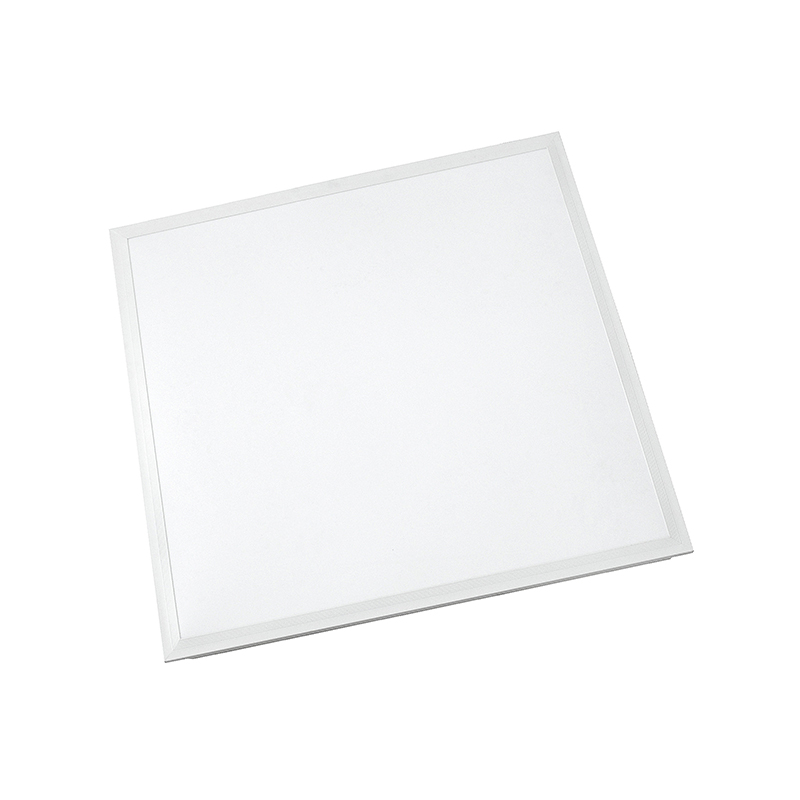
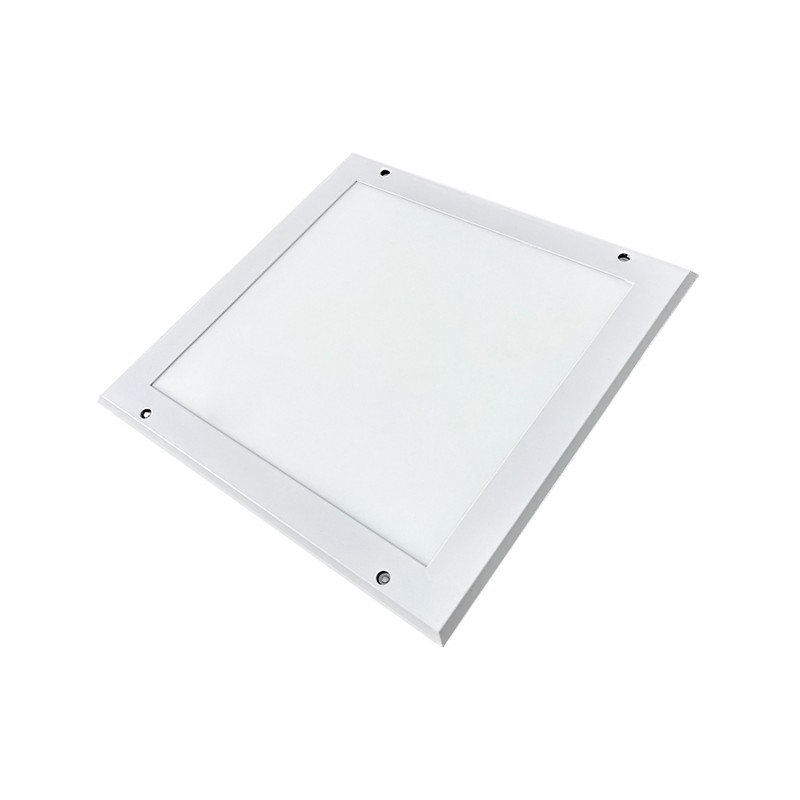
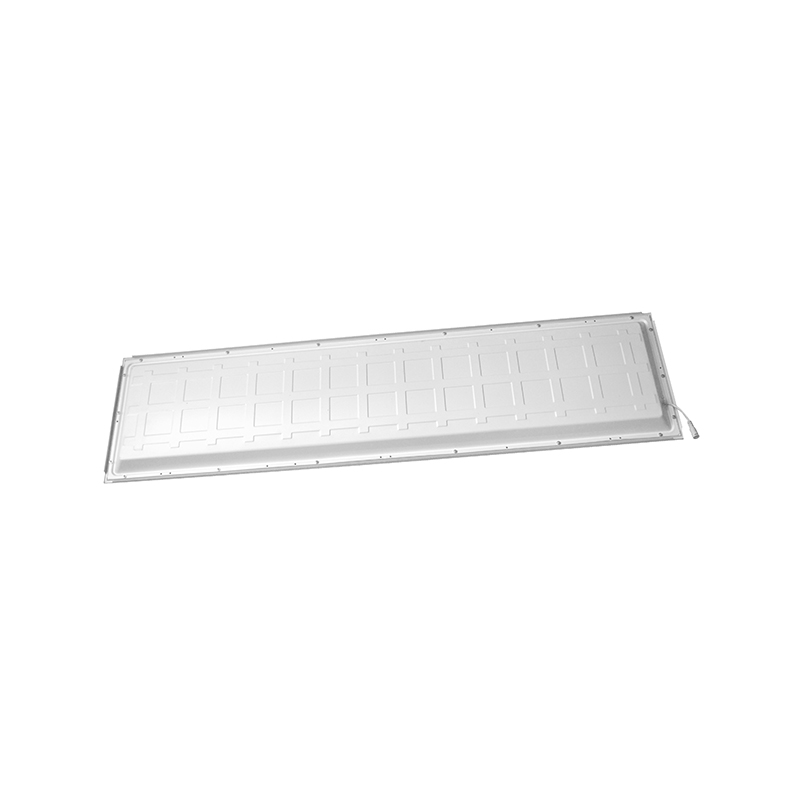
A quality LED panel light comes down to two things working together: a durable, seamless housing and a diffuser that spreads light evenly without glare. The best panels use a single piece of high-quality aluminum for the body, which avoids the seams and joints found in multi-part housings that trap dust and grime over time.
This construction detail matters more than it first appears. A seamless aluminum body isn't just an aesthetic choice — it directly affects how easy the fixture is to keep clean in environments where dust accumulation is a real problem, such as hospitals, labs, and food preparation areas with strict hygiene standards.
Why Seamless Aluminum Construction Matters for Hygiene
Panel joints and screw seams are where dust, grease, and moisture typically collect on lighting fixtures, and in cleanroom or medical settings that buildup becomes a contamination risk rather than just a cleaning inconvenience. A one-piece aluminum shell eliminates those collection points entirely, so routine wipe-down cleaning is enough to keep the fixture compliant with hygiene protocols.
The aluminum surface is also treated for rust prevention, which keeps the housing resistant to discoloration and scratches over years of use. This matters in facilities where fixtures are cleaned frequently with disinfectants, since repeated chemical exposure is what typically degrades untreated metal surfaces first.
Diffuser Quality and Its Effect on Visual Comfort
The housing protects the fixture, but the diffuser determines how the light actually feels to work under. A high-transparency diffuser panel spreads LED light evenly across the surface, avoiding the hotspots and visible glare that cheaper diffusers let through.
This uniform, soft output paired with strong color rendering is what makes a panel comfortable for sustained close-up work. Office workers doing detailed screen or paper-based tasks for full shifts, and students studying for extended periods, are exactly the use cases where glare and light unevenness cause the most fatigue — reducing eye strain isn't a marketing add-on here, it's a direct function of diffuser quality.
Where LED Panel Lights Perform Best
The combination of hygienic housing and glare-free output points to a specific set of ideal environments rather than general-purpose use everywhere.
| Environment | Why It Fits |
|---|---|
| Offices | Even, glare-free light reduces fatigue during long screen or paper work |
| Medical and lab facilities | Seamless housing meets strict hygiene and easy-clean requirements |
| Study and home workspaces | Soft, uniform output supports long reading or detail-focused sessions |
| Modern architectural interiors | Slim, minimalist design blends into ceilings without visual clutter |
Design That Fits Modern Interiors
Beyond performance, a panel light's visual footprint matters in spaces designed with a clean, minimalist aesthetic. The simple, low-profile form factor of a quality LED panel sits flush with modern ceiling designs rather than standing out as an obvious fixture, which is part of why the format has become the default choice for renovated offices and contemporary residential builds alike.
Practically, this means the fixture succeeds on two fronts at once — it does its job without drawing attention to itself, and it holds up visually over years of use, since the aluminum body resists the discoloration and scratching that would otherwise make an older fixture look out of place in an updated interior.
- Confirm the housing is a single-piece aluminum construction, not a multi-part assembly
- Check the diffuser's transparency rating and color rendering index for glare and comfort
- Ask about rust-prevention treatment if the fixture will be cleaned with disinfectants regularly
- Match the panel's slim profile to the ceiling design for a flush, minimal installation